
Helanthium bolivianum
Helanthium bolivianum
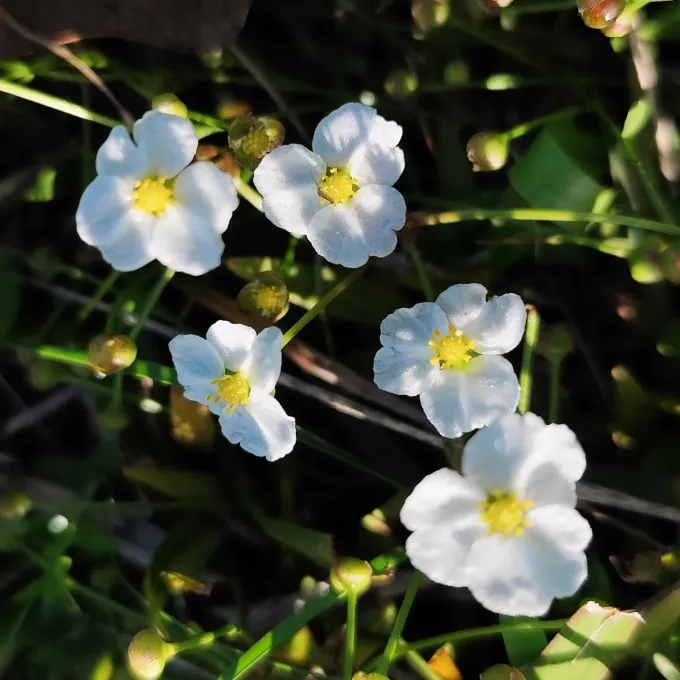
Description
Growing requirements
Helanthium bolivianum belongs to the Alismataceae family and is a prominent aquatic plant species used in commercial aquascaping and professional plant nurseries. It is recognized for its adaptability, thriving in both submerged and semi-emerged conditions within controlled aquatic environments.
Originating from the tropical regions of South America, this plant is naturally found in marshes, riverbanks, and flooded plains. These habitats are typically characterized by nutrient-rich sediment and soft water conditions, which the plant requires for healthy development and vegetative growth.
The cultivation of this species demands stable environmental parameters, with water temperatures ranging between 22°C and 27°C. While it is hardy, high-intensity light is essential to maintain its compact growth form; in low-light conditions, the plant tends to become leggy and lose its vibrant green coloration.
Regarding soil requirements, Helanthium bolivianum performs best when planted in fine-grained, nutrient-dense substrates. Root fertilization is crucial, as the plant relies heavily on its root system for nutrient uptake, especially in mature colonies that may deplete the local substrate of essential minerals.
The vegetative propagation cycle is highly efficient, occurring via creeping stolons that branch out from the parent plant. Each stolon produces clusters of daughter plantlets, which can be harvested and replanted once they have developed a sufficient root system, ensuring a continuous supply for production.
Main diseases and pests
The primary agricultural threat to Helanthium bolivianum is the rapid overgrowth of algae, which competes for space and light. Filamentous algae can physically smother the plant's leaves, effectively inhibiting the photosynthesis process and resulting in stunted growth.
Nutrient deficiencies represent a significant risk, particularly the lack of iron or potassium, which leads to chlorosis. This physiological disorder is characterized by pale or yellowish leaf tissue, severely reducing the market value and health of the plant population.
Substrate degradation is another critical issue; if the soil becomes compacted or anaerobic, the roots are susceptible to decay. Maintaining proper water circulation and periodic maintenance of the substrate are necessary to prevent the buildup of hydrogen sulfide and pathogenic bacteria.
Physical damage to leaves, often caused by pest organisms such as certain snail species or crustacean larvae, can compromise the integrity of the plant. Such damage leaves the plant vulnerable to secondary bacterial infections that can spread rapidly through a dense colony.
Environmental stress, such as sudden shifts in water chemistry or temperature, can trigger leaf abscission. While the plant generally recovers, significant stress events disrupt production schedules and reduce the overall yield of high-quality plant stock for distribution.