
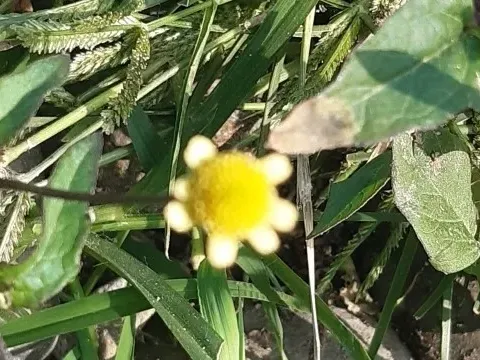
Acmella brachyglossa
Acmella brachyglossa
Acmella brachyglossa belongs to the Asteraceae family and is recognized for its unique biological properties. As a heat-loving plant, it is typically grown as an annual in most temperate regions.
What the section contains
Acmella brachyglossa
Seedlings are started indoors 6 to 8 weeks before the last frost date. The seeds require warmth, ideally around 22–25°C, to germinate successfully and uniformly.
Transplanting to the field should occur only after the soil has warmed significantly. A spacing of at least 30–40 cm between plants is recommended to allow for healthy air circulation.
Direct seeding in the field is only advisable in zones with long, hot summers. Seeds should be sown shallowly, as they need light exposure for optimal germination rates.
Successful establishment depends on maintaining consistent moisture levels during the germination phase and protecting the fragile seedlings from rapid dehydration.
Acmella requires full sun exposure to thrive. Shade-grown plants often show significantly lower concentrations of secondary metabolites, which are essential for their medicinal value.
The soil should be fertile, well-draining, and rich in organic matter. A neutral pH is ideal for promoting nutrient uptake and overall plant vigor throughout the season.
Temperature is a critical factor; the plant thrives between 20°C and 30°C. Development slows down significantly if temperatures drop below 15°C or spike during extreme heatwaves.
Regular irrigation is necessary, particularly during the flowering stage. However, it is vital to avoid waterlogged conditions, which can lead to rapid root decay.
Fertilization should be managed carefully, with a balanced nutrient profile. Excessive nitrogen may lead to vegetative overgrowth at the expense of floral development.
Pests such as aphids and spider mites are common in dry, hot conditions and can cause significant damage to the plant's succulent leaves and stems.
Slugs and snails can be highly problematic for young transplants, necessitating integrated pest management strategies to protect the crop in its early growth stages.
Powdery mildew represents a major fungal threat, particularly in dense plantings where moisture trapped in the foliage creates an ideal environment for fungal spores.
Root rot, caused by pathogens in poorly drained soil, is a frequent issue. Proper field site selection is the best preventive measure against such soil-borne diseases.
Because the crop is often used in culinary or medical applications, pest control must be strictly organic or rely on cultural practices to ensure product safety.
Harvesting is focused on the flowering heads and upper leaves, which contain the highest concentration of active compounds, including spilanthol.
The best time to harvest is mid-morning, once the dew has evaporated, to ensure the plant material is dry, which improves the final quality during storage.
Partial harvesting or cutting back the plant encourages the growth of lateral branches, allowing for multiple harvests within a single growing season.
Post-harvest processing involves gentle drying in well-ventilated areas away from direct sunlight to preserve the aromatic and pungent qualities of the plant.
Once dried, the product should be stored in airtight containers in a cool, dark place to maintain its potency and prevent degradation of active essential oils.