
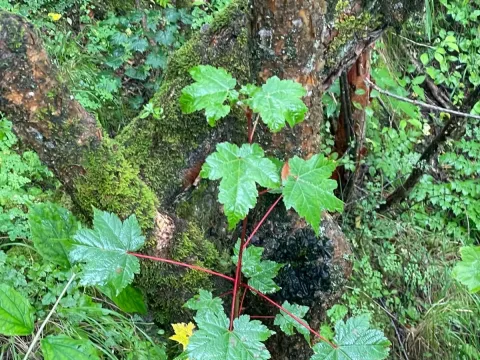
Tail-leaf maple
Acer caudatum
Tail-leaf maple (Acer caudatum) is a deciduous tree species within the Sapindaceae family. Native to the high-altitude forests of the Himalayas and Western China, this tree is well-adapted to mountainous conditions and cool temperate environments.
What the section contains
Tail-leaf maple
In terms of cultivation, this species thrives in well-drained, nutrient-rich soils that maintain moisture without becoming waterlogged. Loamy soils with a slightly acidic to neutral pH are considered optimal for ensuring vigorous growth and healthy foliage development.
Climate preferences for Acer caudatum lean towards regions with cool, humid summers. While the tree is winter-hardy, it requires protection from severe, drying winds and excessive direct solar radiation, which can scorch its delicate leaves during high-temperature periods.
Botanical characteristics include distinctive leaves with long-tapered lobes, which give the plant its characteristic name. The tree is primarily utilized in ornamental horticulture for its elegant growth habit and the intense shades of gold and orange it displays during the autumn season.
Standard horticultural practices include annual mulching to regulate soil temperature and moisture levels. Pruning should be kept to a minimum, focusing mainly on the removal of dead or crossing branches during the dormant season to maintain the structural integrity of the crown.
The primary pathogenic threat to this species is fungal leaf spot, which can manifest during periods of prolonged humidity. Implementing proper air circulation within the tree's crown is the most effective preventative measure against such diseases.
Sucking insects, such as aphids, are frequent pests during the active spring growth phase. Monitoring the underside of leaves and young shoots is essential for early detection and mitigation before infestation reaches significant levels.
Wood-boring beetles may target the tree if it is subjected to physiological stress, particularly from drought or mechanical damage. Maintaining a healthy, well-watered tree is the most effective strategy to prevent these pests from gaining a foothold.
Powdery mildew can occur in stagnant, humid environments, especially if the tree is overcrowded by other plantings. Application of appropriate fungicides should be restricted to periods of active outbreaks to preserve the tree's ecosystem.
Root rot resulting from poor soil drainage is a critical risk factor for Acer caudatum. Growers must ensure that planting sites have adequate permeability to prevent anaerobic conditions around the root ball, which can lead to quick decline.