
Spanish maple
Acer granatense
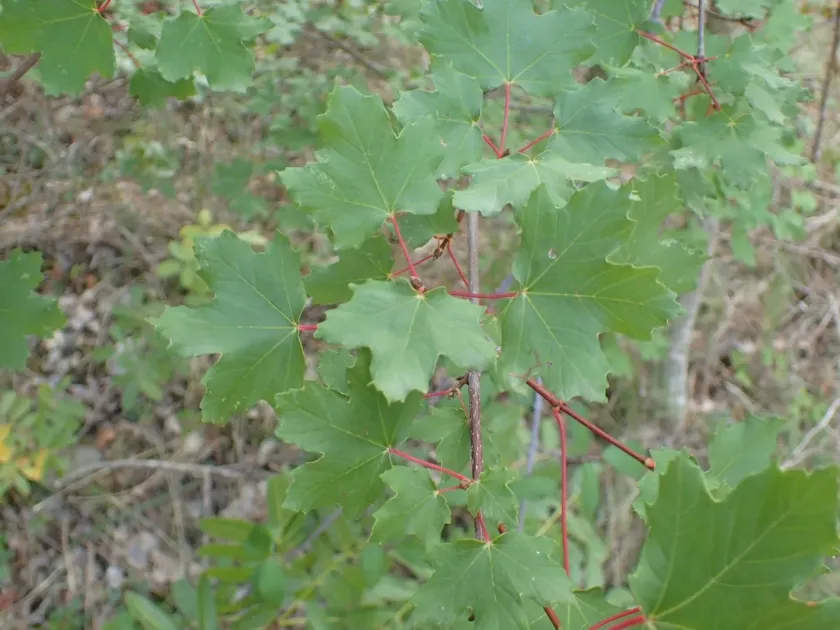
Description
Growing requirements
The Spanish maple (Acer granatense) is a distinctive member of the Sapindaceae family, native to the mountainous regions of the Iberian Peninsula.
Botanically, it is characterized by its compact habit and deeply lobed leaves. Being a mountain species, it is well-adapted to limestone soils and rocky substrates where other maple species might struggle to thrive.
The species requires a climate that offers mild winters and temperate summers. It shows high resilience to drought once fully established, making it a sustainable choice for xeriscaping in suitable hardiness zones.
Soil requirements are strict regarding drainage. Acer granatense performs best in alkaline, nutrient-poor, but well-drained soils. Avoid heavy, waterlogged clays that prevent oxygenation of the root system.
Regarding growth and management, this tree is relatively slow-growing. It prefers sunny exposures, although it can tolerate partial shade in hotter climates to prevent leaf scorch during the summer peak.
Main diseases and pests
Acer granatense is susceptible to typical maple pests, including aphids and scales. These sap-sucking insects can stunt young growth and secrete honeydew, which leads to sooty mold.
Verticillium wilt remains the most significant threat. This soil-borne fungus blocks water-conducting tissues, often causing sudden branch dieback during the growing season.
Leaf spot pathogens can occur during humid spring periods, resulting in cosmetic damage that, if severe, can lead to premature leaf drop and reduced tree vigor.
Environmental stress, such as sudden fluctuations in temperature or drought, can weaken the tree, making it more attractive to wood-boring insects. Consistent monitoring is essential for long-term health.
- Monitor for signs of vascular discoloration
- Apply appropriate dormant oils for scale control
- Ensure adequate spacing for air circulation