
Southern sugar maple
Acer barbatum
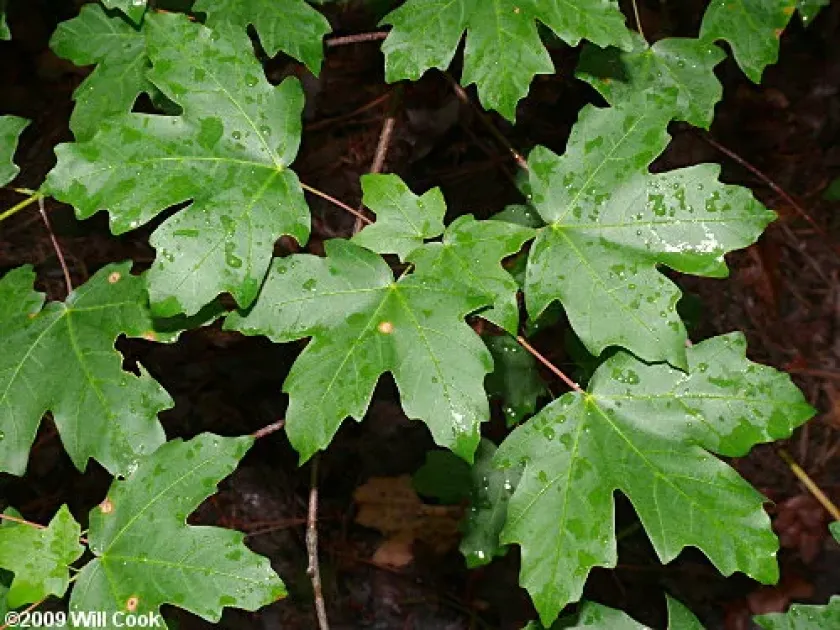
Description
Growing requirements
The Southern sugar maple (Acer barbatum) is a deciduous tree belonging to the Sapindaceae family. It is native to the southeastern parts of North America and is highly valued for its dense foliage and aesthetic appeal.
This species thrives in moist, well-drained soils that are rich in organic matter. It exhibits a preference for slightly acidic to neutral soil pH levels, ensuring optimal nutrient uptake for healthy growth.
Climate requirements for this maple include moderate temperate conditions. It is known for its resilience and ability to withstand various weather patterns, making it a reliable choice for landscaping in its range.
Proper cultivation involves regular irrigation during the establishment phase. Once the tree is mature, it demonstrates significant drought tolerance, though supplemental watering during extreme heat periods is beneficial.
In terms of usage, the Southern sugar maple is frequently utilized in urban forestry, park settings, and large private gardens. Its timber is also recognized for its quality, similar to other maples in the group.
Main diseases and pests
Common plant health issues include verticillium wilt and anthracnose. These fungal infections are often exacerbated by poor soil drainage and physical damage to the trunk or root system.
Insect pests, such as scale insects, aphids, and various types of borers, can affect tree vigor. Effective management involves integrated pest control strategies and maintaining overall tree health through proper fertilization and pruning.