
Striped maple
Acer pensylvanicum
Description
Growing requirements
The striped maple (Acer pensylvanicum) is a species belonging to the Sapindaceae family. Native to the northern parts of North America, this tree is a characteristic understory species found in cool, moist forest environments across the northeastern United States and southeastern Canada.
This species thrives in cool, temperate climates and requires a sheltered location protected from intense, direct sunlight. When planting, choose areas with dappled shade, as the thin bark is susceptible to sunscald if exposed to harsh, hot afternoon sun for extended periods.
Optimal soil conditions include fertile, well-draining, and consistently moist soil with an acidic to neutral pH. The species is intolerant of drought and extremely poor drainage, so adequate site preparation is crucial for long-term health and vigorous growth.
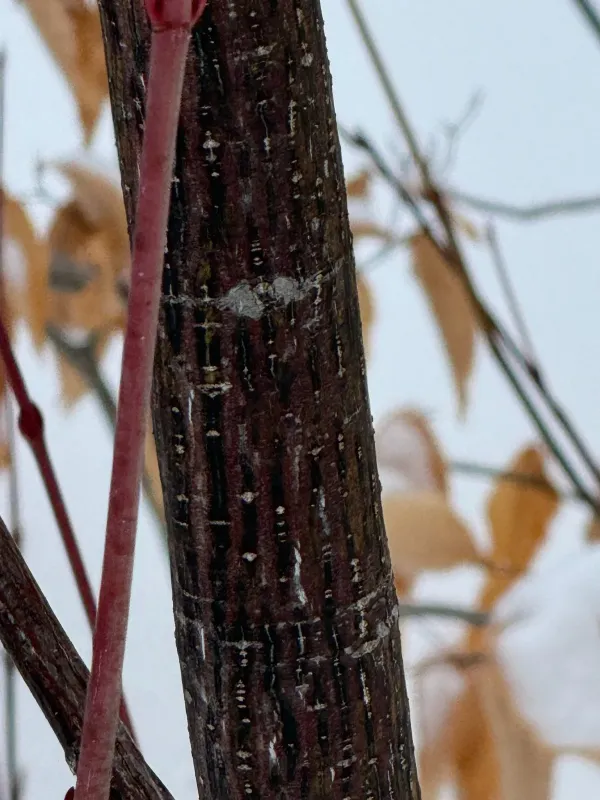
Botanically, the tree is highly prized for its unique bark, which features striking vertical white stripes against a green background, earning it the nickname "snakebark maple." Its leaves are large, three-lobed, and provide brilliant yellow coloration during the autumn season.
In terms of usage, the striped maple is primarily an ornamental specimen used in landscaping and forest gardening. Its ability to tolerate low-light conditions makes it an excellent choice for woodland plantings where other species might struggle to establish themselves.
Main diseases and pests
The most significant health concern for Acer pensylvanicum is verticillium wilt, a soil-borne fungal disease that affects the tree's vascular system. Preventive measures focus on maintaining optimal soil health and avoiding damage to the roots during nearby landscaping work.
Pest issues often involve sap-sucking insects like aphids and scale insects, which can cause leaf drop and stunt growth if left untreated. Regular monitoring during the spring and early summer allows for early intervention with appropriate horticultural soaps or systemic treatments.