
Sterculia-leaf maple
Acer sterculiaceum
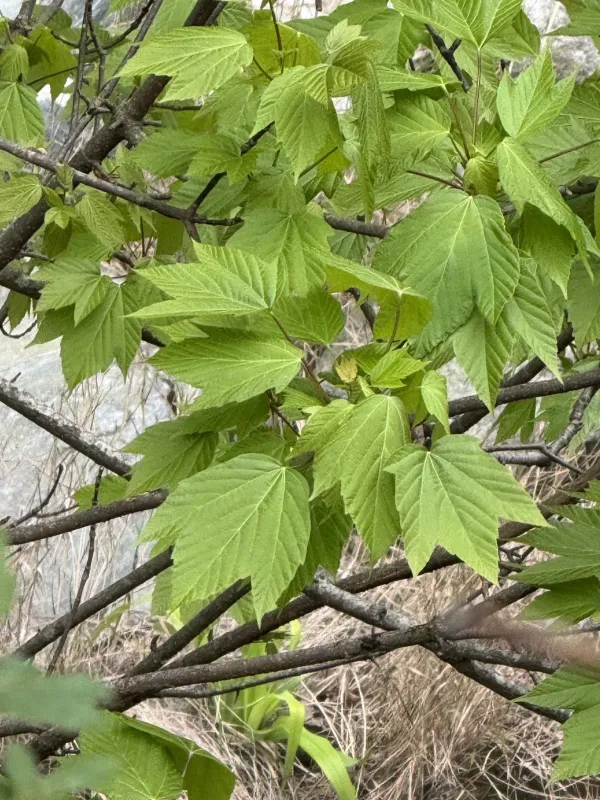
Description
Growing requirements
Acer sterculiaceum, commonly known as the Sterculia-leaf maple, is a rare and highly ornamental tree species belonging to the Sapindaceae family.
Native to the Himalayas, this species thrives in cool, moist, and temperate mountainous environments, where the humidity levels are consistently high.
Successful cultivation requires deep, fertile, and well-drained soils that remain moist throughout the growing season but are never waterlogged.
The tree prefers partial shade or dappled sunlight, especially in warmer climates, to prevent the large, broad leaves from scorching under intense direct light.
Given its aesthetic appeal, it is often utilized in arboretums and large landscape designs as a specimen tree to highlight its impressive foliage and bark.
Main diseases and pests
The Sterculia-leaf maple is susceptible to several fungal diseases, particularly leaf spots and mildews, which can thrive if air circulation is poor.
Common insect pests include aphids and scale insects that can cause damage to tender shoots and reduce the overall vigor of the maple.
Verticillium wilt is a potential threat to this species, as it is with many maples, and can lead to the sudden collapse of limbs if not monitored.
Proper horticultural practice dictates the removal of dead or crossing branches to improve airflow, which significantly reduces the incidence of fungal issues.
Regular monitoring during the spring and early summer allows for the prompt identification of pest outbreaks before they can cause widespread damage.