
Spiked maple
Acer stachyophyllum
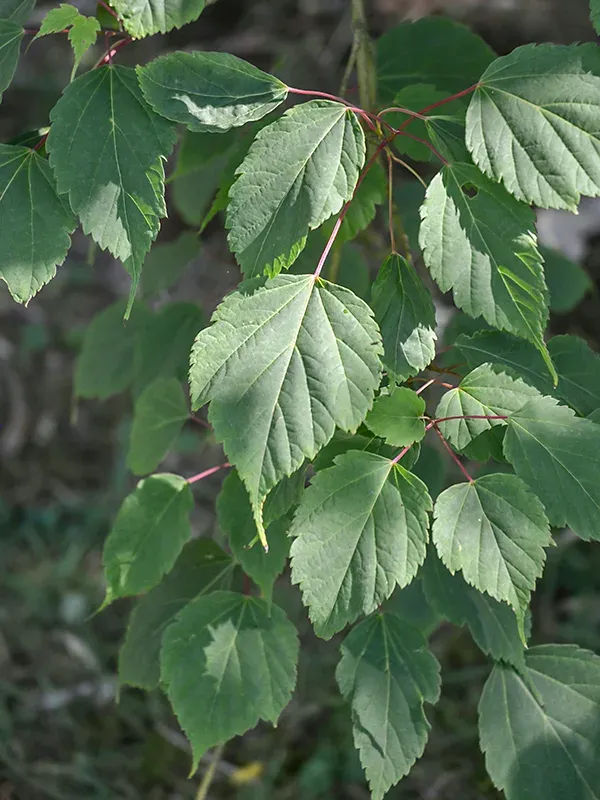
Description
Growing requirements
Acer stachyophyllum, commonly known as the spiked maple, belongs to the Sapindaceae family. It is a deciduous species native to the mountain forests of the Himalayas and China, adapted to cool, temperate climates.
The tree thrives in moist, well-drained, and slightly acidic soils. It prefers locations with partial shade, especially during the early stages of its development, mimicking its natural forest understory environment.
Climate adaptability is one of the key strengths of this species. It shows good resistance to low temperatures, making it suitable for high-altitude planting and colder gardening zones where many other maples struggle.
Cultural practices require consistent moisture management. While established trees can tolerate short periods of dry conditions, prolonged drought should be avoided through regular deep watering during summer months.
In terms of usage, the spiked maple is primarily used in botanical gardens and arboretums. Its unique spike-like inflorescences make it a distinguished ornamental feature for collectors and specialized landscape projects.
Main diseases and pests
The species is susceptible to various fungal pathogens, with powdery mildew being the most common occurrence in poorly ventilated environments. Maintaining proper spacing is essential to minimize humidity.
Leaf spot diseases can also occur if the foliage remains wet for extended periods. Pruning should be conducted during the dormant season to improve air circulation and reduce the incidence of spores.
Scale insects and aphids are the primary pests that target the shoots and leaves. Monitoring the undersides of the leaves during the early growing season is crucial for successful pest management.
Verticillium wilt is a significant concern for the Acer genus. To mitigate risks, growers must ensure that the planting site has never hosted infected woody plants and avoid deep soil cultivation near the roots.
Integrated pest management, including the use of horticultural oils and promoting natural predators, is recommended to keep the tree healthy without relying exclusively on harsh chemicals.