
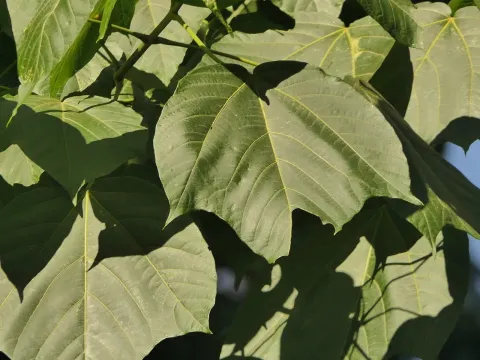
Thomson maple
Acer thomsonii
The Thomson maple (Acer thomsonii) is a distinct species belonging to the Sapindaceae family, native to the mountainous forests of the Himalayas. This tree is valued for its unique botanical features and structural integrity.
What the section contains
Thomson maple
This species thrives in nutrient-rich, moist, and well-drained soils. An ideal substrate for the Thomson maple is loamy soil with a slightly acidic to neutral pH level, which ensures optimal nutrient uptake.
Regarding climate, the plant prefers temperate conditions with high atmospheric humidity. It is relatively shade-tolerant but requires sufficient ambient light to maintain the vigor and color of its foliage throughout the season.
Agronomic management includes regular hydration, particularly during the establishment phase. Mulching the root zone is highly recommended to regulate soil temperature and conserve moisture during drier months.
Regular fertilization with balanced NPK formulas during the spring season supports robust canopy growth. Pruning should be kept to a minimum, focusing mainly on the removal of damaged or dead wood to preserve natural form.
Common threats to this species include fungal infections such as powdery mildew, which thrive in stagnant or humid air conditions. Improved ventilation within the canopy is the primary preventive measure.
Pests such as aphids and leaf-eating beetles can cause significant damage to the photosynthetic surface. Integrated pest management strategies, including biological control, are preferred over broad-spectrum chemicals.
Verticillium wilt is a serious vascular disease that can affect maple species. Avoiding high-stress conditions and ensuring proper soil drainage significantly reduces the likelihood of infection.
Root rot is often a consequence of poor irrigation management or clay-heavy soils that trap excess water. Monitoring soil moisture levels before watering is essential for long-term tree health.
Periodic inspection of leaves and twigs allows for early detection of potential infestations. Maintaining a healthy environment and removing organic debris from the tree base helps prevent pathogen buildup.