
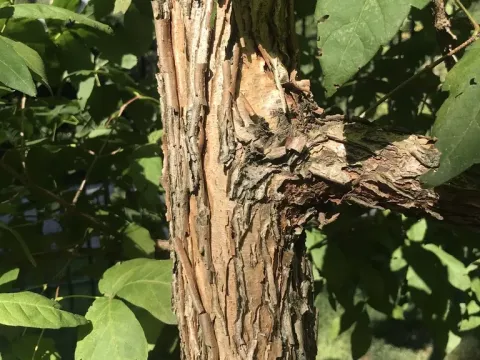
Three-flowered maple
Acer triflorum
Sowing seeds of the Three-flowered maple is best done in autumn to allow for natural stratification in the soil. Spring sowing requires pre-treatment in cold conditions for several months to break dormancy.
What the section contains
Three-flowered maple
Before sowing, seeds should be soaked in warm water for several days, changing the water regularly. Planting depth should be approximately 2–3 centimeters to ensure healthy root development.
A loose, nutrient-rich, and well-draining substrate is ideal for germination. Maintaining consistent moisture is crucial, as the seeds are sensitive to both drought and excessive waterlogging.
Seedlings need protection from intense direct sunlight during their first year. Once the plants reach 25-30 centimeters in height, they are ready for transplanting to a permanent location.
The optimal time for transplanting is early spring before the buds begin to break and active sap flow starts.
Three-flowered maple prefers sunny or partially shaded spots protected from high winds. This species is known for its excellent cold hardiness, making it suitable for temperate climate zones.
The soil should be fertile, well-draining, and slightly acidic to neutral. The tree does not tolerate standing water, so providing adequate drainage in heavy soil is essential for long-term health.
Routine care involves regular watering during dry spells, especially for younger trees. Applying organic mulch around the base helps retain moisture and improves soil structure over time.
Balanced mineral fertilizers applied in early spring encourage lush foliage and robust growth. Excessive nitrogen application late in the season should be avoided to ensure proper woody tissue maturity before winter.
Sanitary pruning is useful for removing dead or damaged branches. The tree responds well to formative pruning, which makes it a versatile choice for various landscape design styles.
The Three-flowered maple is generally disease-resistant, but high humidity may lead to powdery mildew. Fungicide treatments are effective if signs of fungal infection appear on the leaves.
Pests such as spider mites and leaf rollers may occasionally affect the foliage. Using biological control agents or targeted insecticides is recommended when pest populations become noticeable.
Root rot is often a result of poor drainage or overwatering. Adjusting the irrigation schedule and ensuring the soil remains aerated are the primary steps to prevent this condition.
Young tree bark is susceptible to damage by rodents during the winter months. Protecting the base of the trunk with wire mesh is a standard procedure for protecting young saplings.
Good air circulation within the canopy, achieved through proper spacing, significantly reduces the susceptibility of the tree to common environmental stressors and pathogens.