
Lumholtz's pine
Pinus lumholtzii
Description
Growing requirements
Lumholtz's pine (Pinus lumholtzii) is a distinctive coniferous tree species belonging to the Pinaceae family. It is native to the high-altitude mountain ranges of northern and western Mexico, primarily found in the Sierra Madre Occidental region, where it thrives at high elevations.
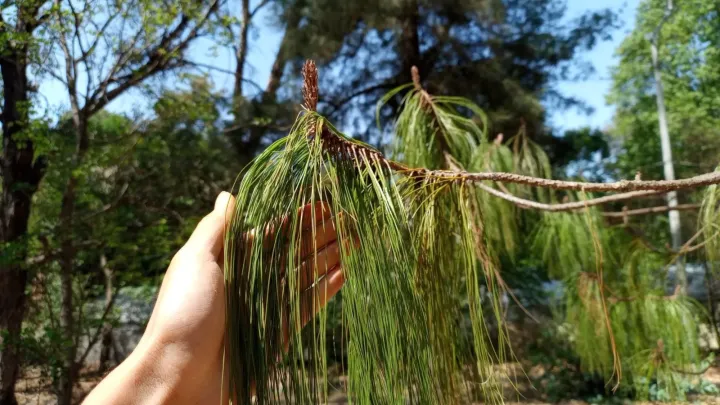
This species is well-adapted to environments with cool temperatures and specific moisture regimes typical of mountain slopes. It requires a significant amount of direct sunlight to maintain the health of its long, pendulous needles, which are its most recognizable feature.
Soil requirements for Pinus lumholtzii are strict, necessitating well-drained, porous soils that prevent root rot. It does not tolerate waterlogging, meaning that site selection for any cultivation project must prioritize excellent drainage and aeration for the root system.
Botanically, this pine is famous for its long, slender needles that often hang down in dense fascicles. This unique appearance makes it a subject of interest for arboretums and specialized botanical collections that can replicate its specific mountain habitat conditions.
In terms of хозяйственное usage, the species is primarily managed for conservation and ecosystem restoration. While it holds potential for ornamental use, its cultivation requires specialized knowledge of its ecological niche to ensure the trees can reach maturity.
Main diseases and pests
The primary threats to Pinus lumholtzii include fungal pathogens that exploit stress caused by environmental changes. Specifically, root and needle diseases can spread rapidly in plantations if humidity levels are not carefully monitored and controlled.
Common insect pests include bark beetles, which pose a significant risk to mature trees, especially during periods of drought. Maintaining tree vigor through proper site management and monitoring remains the most effective defense against localized outbreaks of these pests.