
Lawson pine
Pinus lawsonii
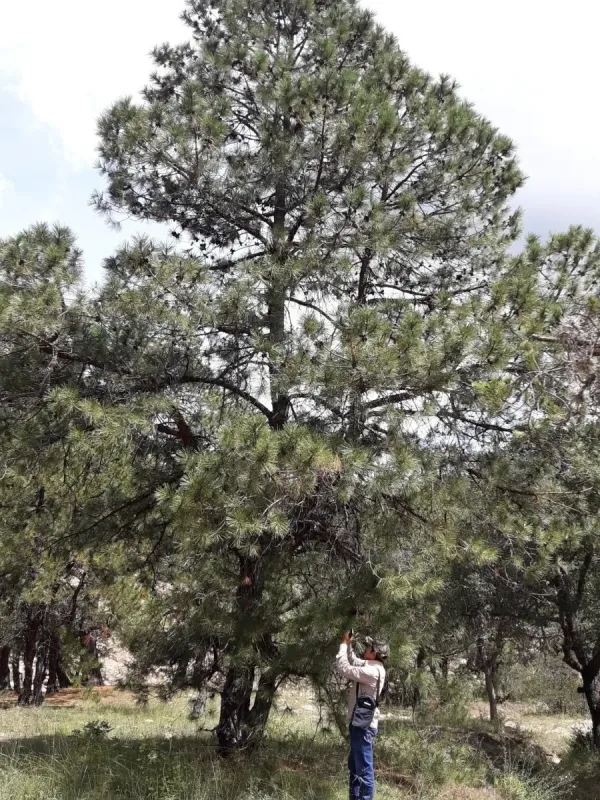
Description
Growing requirements
Lawson pine (Pinus lawsonii) belongs to the Pinaceae family. It is a distinctive evergreen conifer characterized by its slender form and long, slender needles, which contribute to its unique silhouette in native high-altitude forests.
The species is native to Mexico, naturally distributed in mountainous regions across the states of Guerrero, Oaxaca, and Michoacán. It typically thrives at elevations ranging from 1,500 to 2,500 meters, often found alongside oaks and other coniferous trees.
The species requires a climate with distinct seasonal patterns, including sufficient annual rainfall during the growing season. While it is adapted to subtropical conditions, it possesses moderate frost resistance suitable for high-elevation environments.
Soil preferences involve well-drained, acidic to neutral substrates. Poor drainage is the primary limiting factor for successful cultivation, as the species is highly susceptible to root rot if the soil remains saturated for extended periods.
Its primary economic use lies in timber production and reforestation projects. The species has been subjected to research for its potential in sustainable forest management in regions with similar climate profiles.
Main diseases and pests
Pathogenic fungi are significant threats to Pinus lawsonii, particularly those affecting the foliage (needle casts) and the vascular system. Maintaining optimal stand density is critical to ensure proper airflow and decrease humidity around the branches.
Insect pests, such as bark beetles and various defoliators, can impact tree health, especially in stressed or improperly thinned stands. Integrated pest management strategies are necessary to mitigate large-scale damage.
Silvicultural practices must include regular sanitation measures. Removing dead or infested wood is a vital step in preventing the colonization of opportunistic pests in young and middle-aged stands.
Abiotic factors like severe drought or extreme late-season frosts can predispose the trees to secondary infections, making early detection of physiological stress a priority for foresters.
Healthy stand development depends on biodiversity; therefore, maintaining a balanced environment encourages natural predators of pine pests, which serves as a highly effective biological control method.