
Osage orange
Maclura fruticosa
Description
Sowing dates
Propagation of Osage orange is primarily achieved through seeds, which require stratification to break dormancy. Seeds should be kept in cold, moist storage for several weeks before sowing.
Sowing typically occurs in early spring once the soil temperature is sufficient. Seeds are placed in prepared nursery beds at a depth of about 2 to 3 centimeters.
Vegetative propagation via stem cuttings is also a common practice. Using hormone treatments on cuttings significantly increases the success rate of root development in greenhouse conditions.
Seedlings require sufficient space for root system expansion. Transplanting to the permanent site is usually done after the second year of growth in a nursery environment.
Maintaining clear ground around saplings is essential during the initial growth phase. This ensures that the young plants do not compete with weeds for essential soil nutrients.
Growing requirements
The Osage orange is a sun-loving species that thrives in full sun exposure. While it is adaptable to various soil types, it prefers deep, fertile, and well-drained soils for optimal productivity.
This tree is highly drought-tolerant, making it an excellent candidate for reforestation and erosion control in challenging environments. It also exhibits high tolerance to soil salinity.
Temperature requirements are moderate; however, established trees possess significant cold hardiness. They can withstand harsh winters without severe damage to the main scaffold branches.
Nutrient management involves balanced fertilization during the spring season to support vegetative growth. Avoid excessive nitrogen applications, which might delay the hardening of shoots before winter.
Proper spacing is crucial for airflow and light penetration, particularly in windbreak configurations. Recommended spacing ranges from 2 to 4 meters depending on the intended use.
Main diseases and pests
Osage orange is renowned for its natural resistance to many common fungal and bacterial infections. Its wood is dense and naturally rot-resistant, which limits pathogen entry points.
Poor drainage is the primary cause of stress for these trees. Excessive moisture levels often lead to root rot, which can be fatal if not corrected by improving soil drainage.
Insect pests rarely cause significant economic damage to mature trees. Minor infestations by sap-sucking insects may occur in dense nursery plantings but are easily managed.
Maintaining the overall vitality of the tree is the best protection against pests. Healthy specimens are rarely compromised by common agricultural threats.
Strategic pruning of diseased or damaged wood is recommended to ensure long-term tree health. Always disinfect tools after performing any maintenance work.
Harvesting
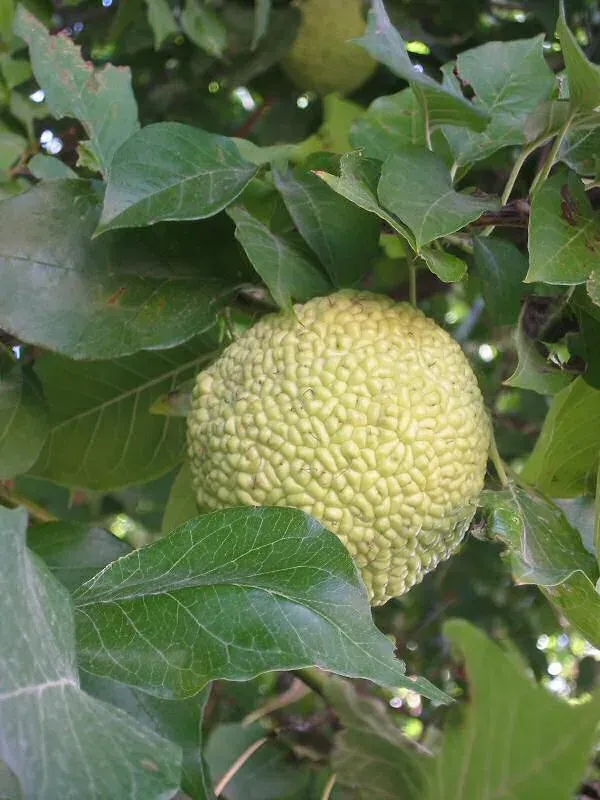
Harvesting of the fruits (often referred to as hedge apples) takes place in autumn when the fruit color shifts from green to a distinct bright yellow or yellowish-orange.
Manual harvesting is necessary as the fruits are large and heavy. Workers must wear protective gear because the branches feature sharp thorns that pose a significant injury risk.
Once harvested, the fruits should be stored in a cool, well-ventilated area. They should not be piled too high to avoid crushing the lower layers of the fruit.
The fruit contains a milky latex that can be irritating to the skin, necessitating careful handling during the collection process.
Proper post-harvest management involves sorting the fruits by size and quality. This helps in maintaining consistent standards for botanical and industrial extraction purposes.