
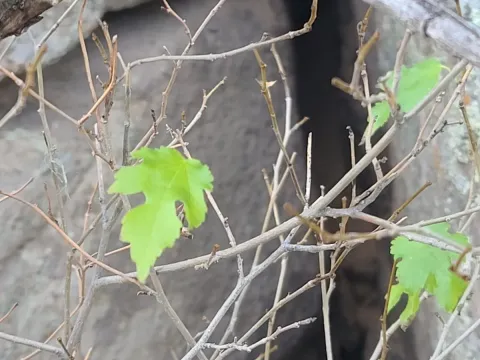
Texas mulberry
Morus microphylla
The Texas mulberry (Morus microphylla) is a member of the Moraceae family. It is native to the arid regions of the southwestern United States and northern Mexico, showing remarkable adaptation to harsh environmental conditions.
What the section contains
Texas mulberry
This species typically manifests as a small, drought-tolerant tree or deciduous shrub. It is distinguished by its small, thick, leathery leaves which serve as an evolutionary mechanism to prevent dehydration in high-temperature environments.
In terms of agricultural requirements, it thrives in well-drained soils ranging from sandy to rocky textures. It exhibits a high degree of alkalinity tolerance and does not require intensive fertilization to survive and develop.
Climatically, it is suited for regions with significant sun exposure. While it is hardy, young plants benefit from protection during extreme winter frosts to establish a robust root system capable of enduring future seasonal shifts.
Beyond its ecological value, the tree is often utilized in permaculture and dryland farming systems. Its fruit, although smaller than that of other mulberry species, provides a significant source of nourishment for local wildlife and can be harvested for human consumption.
While naturally robust, the Texas mulberry is susceptible to fungal issues if planted in areas with poor drainage or stagnant airflow. Powdery mildew is the most common concern during humid spells.
Insects such as mulberry whitefly and spider mites may occasionally infest the foliage, particularly if the tree is experiencing moisture stress. Proper irrigation management is key to preventing these minor infestations.
Root rot, specifically caused by overwatering, remains the primary threat to the longevity of the plant. Ensuring the soil structure remains aerated is a critical component of successful site selection.
Integrated pest management strategies include maintaining a clean area around the base of the trunk and utilizing biological controls when aphid populations reach economic injury levels.
Pruning is essential not only for structure but also for sanitation, as removing dead or dying wood prevents the colonization of harmful borers that prefer decaying organic matter within the canopy.