
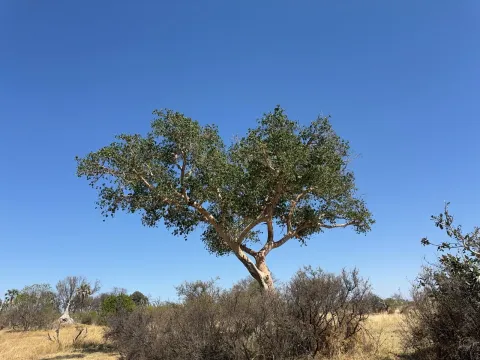
Sycamore Fig
Ficus sycomorus
The Sycamore Fig (Ficus sycomorus) is a prominent species within the Moraceae family, native to the Middle East and Africa. As a large, spreading tree, it is well-adapted to hot, arid climates, utilizing its extensive root system to reach deep water sources in its natural habitat.
What the section contains
Sycamore Fig
This species requires high temperatures for optimal growth and cannot tolerate frost. Its cultivation is best suited for regions with mild winters and long, warm growing seasons, where sunlight is abundant and frost risk is non-existent, ensuring the tree remains productive throughout the year.
Deep, fertile, and well-drained soils are preferred for establishing healthy plantations. While the tree is quite resilient, it performs poorly in waterlogged soils, which may lead to root asphyxiation and severe fungal infections, making proper site selection and soil drainage management essential tasks for farmers.
Sunlight is critical for the development of the canopy and the ripening of fruits. Orchards should be planted with sufficient spacing to allow each tree to receive maximum solar exposure, which helps maintain fruit quality and prevents the proliferation of moisture-loving pathogens within the dense foliage.
Good agricultural practices for the Sycamore Fig include consistent irrigation during drought periods and regular structural pruning. This encourages a balanced growth habit and makes the harvest process more manageable, while also improving the overall lifespan of the tree under plantation conditions.
The fruit of the Sycamore Fig, known as syconia, is a significant agricultural product. These fruits develop in clusters along the branches and trunks, and when managed effectively, a single mature tree can produce large volumes of fruit, providing multiple harvests annually in optimal conditions.
Beyond fresh consumption, the fruits are processed into dried products, jams, and natural sweeteners. Their nutritional value makes them a staple in local diets, and the processing industry adds significant economic value, allowing farmers to preserve seasonal surpluses for year-round trade.
The timber of the Ficus sycomorus is highly valued for its durability and resistance to decay, characteristics that have been utilized for millennia. In contemporary agricultural settings, managing the tree for both fruit and timber production represents a sustainable, multi-use approach to land management.
Foliage management is another facet of the tree's utility, as the leaves and young shoots are frequently used as fodder for livestock. This integration of forestry and animal husbandry creates a closed-loop system that maximizes the productivity of the land, especially in challenging environments.
Pollination is the most complex biological factor affecting yield. Because the tree depends on specific symbiont wasps, the maintenance of a healthy local environment that supports these insects is an essential requirement for fruit production, directly impacting the quantity and quality of the yield.
Specific fig wasps and other hymenopteran pests are the primary biological threats, as they inhabit the syconia and can reduce fruit yield. Biological control measures are generally preferred in these orchards to protect the delicate balance between the tree and its pollinators.
Fungal diseases, such as leaf spot or rust, can thrive if humidity levels remain too high within the canopy. Ensuring proper air circulation through strategic planting patterns and canopy thinning is a fundamental strategy for preventing the spread of these common fungal pathogens.
Root zone pests and rodents can damage the integrity of the tree's base, potentially leading to instability or structural weakness. Regular monitoring and the application of integrated pest management (IPM) practices help protect the long-term health of the orchard trees.
Environmental stress, particularly prolonged lack of water, can make the trees more susceptible to wood-boring insects. Providing supplemental irrigation during dry periods is not only for growth but also acts as a vital defensive mechanism for the tree's overall immunity.
Lastly, sanitary management during pruning is vital to prevent the transmission of pathogens between trees. Sterilizing equipment after working on each plant is a standard procedure that significantly reduces the risk of large-scale disease outbreaks within a commercial plantation.