
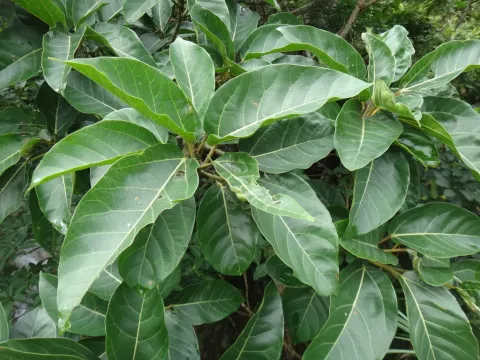
Variegated Fig
Ficus variegata
The Variegated Fig (Ficus variegata) is a robust tree species belonging to the Moraceae family. It is recognized for its broad, leathery leaves and a distinct, smooth bark that makes it easily distinguishable within tropical ecosystems.
What the section contains
Variegated Fig
The native range of this species covers Southeast Asia, northern Australia, and the Pacific Islands. It thrives primarily in lowland tropical rainforests, where it functions as a primary producer and a critical food source for local biodiversity.
For agricultural cultivation, the Variegated Fig requires a tropical climate with high humidity and consistent temperatures. Soils should be fertile, well-draining, and rich in organic matter to support the rapid development of its extensive root system.
Sunlight exposure is essential for the tree to maintain its health, though young saplings may benefit from partial shade. Proper spacing during planting is vital, as the tree can grow to significant heights and requires ample room for canopy expansion.
Economically, the tree is harvested for its timber and its edible fruit, which is often used in traditional culinary applications. The plant is also valued in agroforestry projects for its ability to stabilize soil and attract pollinators.
Common pathological threats include fungal leaf spot and anthracnose, which are prevalent in areas with high rainfall and poor airflow. Managing these diseases involves maintaining canopy density and implementing sanitation practices.
The tree is frequently targeted by pests such as spider mites, mealybugs, and scale insects. These pests feed on the nutrient-rich sap, causing leaf chlorosis and stunted growth in young shoots if left unchecked by integrated pest management.
Control strategies for large-scale cultivation often involve the use of targeted insecticides or biological control agents like predatory mites to minimize chemical reliance. Vigilant monitoring during the peak growing season is recommended.
Root rot is a major physiological challenge, usually triggered by waterlogging and poor soil aeration. To mitigate this risk, growers must ensure that the planting site has excellent drainage and that irrigation is carefully regulated.
Mechanical damage to the bark or branches can serve as an entry point for pathogens. Ensuring that all pruning tools are sterilized before use is a standard agricultural procedure to prevent the spread of systemic diseases within the grove.