
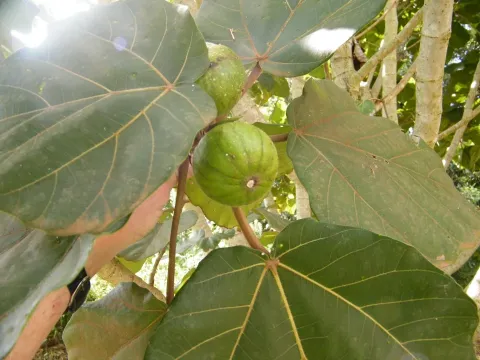
Valley fig
Ficus vallis-choudae
The Valley fig (Ficus vallis-choudae) is a significant species within the Moraceae family, recognized as a large evergreen tree capable of reaching heights of up to 30 meters in its native African habitat.
What the section contains
Valley fig
It typically thrives in tropical riparian zones and valley forests, necessitating a climate characterized by high humidity, constant warmth, and an absence of severe, prolonged drought periods.
Agricultural success with this species depends heavily on soil selection; it requires deep, nutrient-rich substrates that offer excellent drainage to prevent root zone saturation.
For optimal growth, the species prefers locations with moderate wind protection and consistent sunlight exposure, which facilitates the rapid development of its extensive canopy structure.
Cultivation practices involve active soil management, ensuring that the ground remains fertile and free of invasive weeds that could compete with the tree's vigorous root system during its initial establishment.
The primary yield of the Valley fig consists of its syconia, which are widely recognized for their role in supporting local food security and as a vital food source for various avian and mammalian species in agroforestry systems.
Beyond fruit production, the species contributes to soil stability and erosion control, making it an excellent candidate for reforestation projects in fragile tropical landscapes.
The wood harvested from this tree is utilized in local construction and for crafting traditional utility items, adding to its overall economic utility for rural landholders.
Medicinal applications of its latex and bark provide supplementary income opportunities for farmers who integrate these trees into diverse agricultural landscapes.
Managing the harvest process effectively requires attention to the tree's natural ripening cycles to ensure the highest quality of fruit for consumption or market distribution.
Typical threats to Ficus vallis-choudae include a range of fungal infections, particularly leaf spot diseases and root rot, which are exacerbated by high moisture levels and poor air circulation.
Insect pests, such as various scale insects and mealybugs, can cause significant damage to young shoots and leaves, necessitating early detection and preventative maintenance.
Pollinator management is essential; while the tree relies on specific wasps, ensuring that no broad-spectrum pesticides are used is critical for the continued reproductive success of the population.
Sanitation practices, such as removing fallen debris and infected branches, are recommended to reduce the inoculum levels of pathogens within the growing area.
Maintaining biological diversity around the tree is a key strategy, as it encourages natural predators to manage pest populations, thereby reducing the need for chemical intervention.