
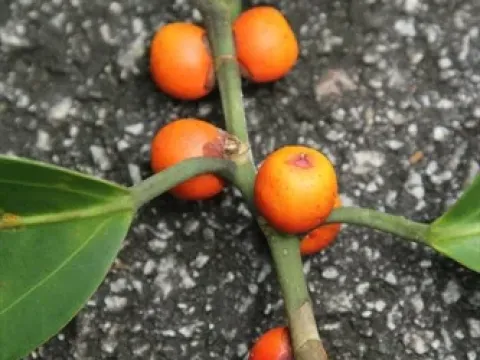
Sundaic fig
Ficus sundaica
The Sundaic fig (Ficus sundaica) is a prominent member of the Moraceae family, native to the tropical landscapes of Southeast Asia. This evergreen species plays a vital role in its ecosystem, characterized by vigorous canopy growth and a high capacity for biomass production.
What the section contains
Sundaic fig
Climatically, the species thrives in humid tropical environments. It requires constant warmth and is highly sensitive to cold, making it unsuitable for regions prone to frosts. Stability in microclimate conditions is essential for maintaining the physiological integrity of the plant.
Soil requirements focus on high nutrient availability and excellent drainage. The tree prefers rich, loamy soils that can retain moisture without becoming waterlogged. In containerized cultivation, a well-balanced, porous substrate is mandatory to prevent root rot and allow oxygen diffusion.
Light intensity plays a significant role in the development of Ficus sundaica. While it can withstand partial shade, moderate to bright indirect sunlight ensures more compact growth and better development of the leaf surface, which is critical for photosynthesis.
Agrotechnical management includes systematic irrigation and nutritional programs. Nitrogen-based fertilizers are typically used to stimulate leaf development, while potassium and phosphorus are essential for root development and structural reinforcement of the stems.
Spider mites (Tetranychidae) represent the primary threat to the Sundaic fig, particularly in environments with low humidity. They typically colonize the undersides of leaves, causing chlorosis and premature senescence if left untreated.
Scale insects and mealybugs often affect the plant by feeding on phloem sap. These pests can weaken the overall health of the tree, creating pathways for secondary infections and attracting sooty mold growth on honeydew deposits.
Fungal diseases, specifically Cercospora leaf spot, are prevalent in poorly ventilated and overly humid conditions. These infections present as necrotic spots and can lead to significant defoliation if the microclimate is not corrected.
Root pathogens, such as Pythium and Phytophthora, can devastate the root system if drainage is compromised. These soil-borne threats are often irreversible, necessitating strict adherence to irrigation schedules and substrate quality.
Effective management includes integrated pest management strategies, utilizing both biological controls and targeted chemical treatments. Regular monitoring and pruning of affected branches are crucial to containing the spread of diseases within the plant population.