
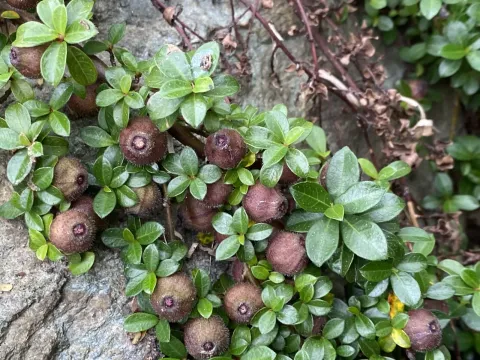
Vaccinioides fig
Ficus vaccinioides
The Vaccinioides fig (Ficus vaccinioides) is a member of the Moraceae family. It is a miniature, evergreen shrub native to Taiwan and parts of East Asia. This species is highly regarded in horticulture for its small, dark green leaves and its ability to maintain a dense, compact habit, making it ideal for container gardening.
What the section contains
Vaccinioides fig
This plant thrives in bright, filtered light and requires protection from direct, harsh sunlight, which can damage the delicate foliage. An ambient temperature range of 18 to 25 degrees Celsius is considered optimal for healthy growth. It is sensitive to sudden cold snaps and should be protected from drafts throughout the growing season.
For successful cultivation, a well-draining, nutrient-rich potting medium is essential. A mixture containing peat, perlite, and coarse sand provides the necessary aeration for the root system. Proper soil pH, generally kept near neutral or slightly acidic, ensures the plant can effectively uptake micro-nutrients.
Watering practices should focus on maintaining a moderate level of soil moisture; the top layer should be allowed to dry slightly between watering cycles. During the active growing period, balanced liquid fertilizers should be applied to support leaf production. Maintaining a consistent environment with moderate humidity levels promotes optimal physiological function.
The primary economic use of Ficus vaccinioides is within the ornamental nursery industry and the art of bonsai. Its naturally small leaves and woody structure allow enthusiasts and professionals to train the plant into intricate shapes, which maintains high demand in the specialty plant market.
Common pests affecting this crop include spider mites, mealybugs, and scale insects, which often proliferate in environments with low humidity. Monitoring the underside of leaves and keeping the plant clean is a vital part of pest management and prevents the establishment of harmful infestations.
Root rot, often caused by overwatering and poor drainage, remains the most significant threat to the plant's longevity. Implementing strict irrigation controls and ensuring sufficient container drainage are the most effective prophylactic measures to prevent the development of root-pathogenic fungi and bacteria.