
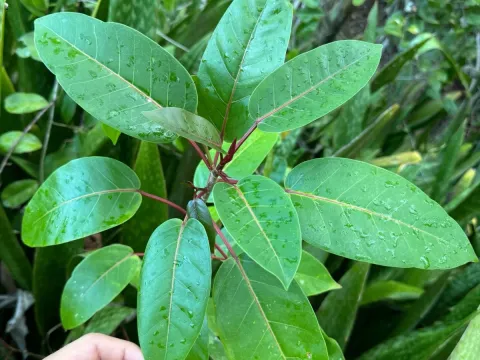
Shortleaf fig
Ficus brevifolia
The Shortleaf fig (Ficus brevifolia) is a prominent member of the Moraceae family. It is recognized as a hardy woody species characterized by its distinct foliage and robust growth habit in suitable climatic conditions.
What the section contains
Shortleaf fig
Native to the tropical regions of the Americas, specifically Florida, Mexico, and the Caribbean, this plant thrives in environments that offer warmth and consistent humidity throughout the growing season.
Success in cultivating Ficus brevifolia relies on providing a well-draining soil medium. Ideally, a blend of organic matter, peat, and perlite ensures adequate aeration, which is vital for maintaining root health and preventing physiological stress.
The plant requires bright, indirect light to maintain its optimal growth rate and leaf density. While it can withstand periods of light shade, prolonged exposure to dark corners will lead to leaf drop and stunted development.
Watering should be managed based on the moisture levels of the substrate. An essential agricultural practice is to allow the root zone to dry slightly between watering intervals to avoid waterlogging and root rot conditions.
Typical pests affecting this species include scale insects and spider mites. These organisms thrive under suboptimal indoor environmental conditions, particularly when air circulation is poor and humidity is low.
Mealybugs are another common threat that can quickly infest the nodes and undersides of the leaves. Manual removal combined with systemic insecticides is often required to manage heavy outbreaks effectively.
Fungal pathogens represent a significant risk when high humidity is combined with insufficient ventilation. Leaf spots and root rot are the most frequent manifestations of poor cultural management.
Integrated pest management strategies are encouraged to maintain plant vigor. Regular cleaning of the leaves with a damp cloth helps remove dust and early-stage pests, acting as a simple yet effective physical barrier.
Application of fungicides should be performed strictly according to manufacturer guidelines if disease symptoms persist. Always isolate newly acquired plants to prevent the spread of undetected insects or pathogens to existing collections.