
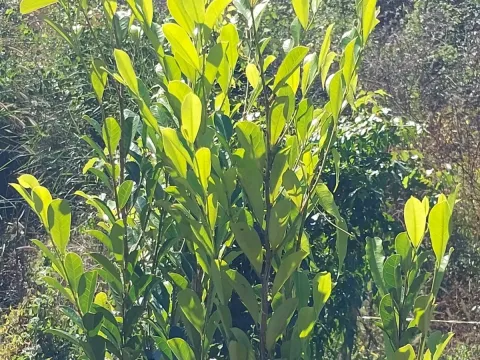
Trilepisium
Trilepisium
Trilepisium (Trilepisium madagascariense) is a unique tropical tree belonging to the Moraceae family. It is a monotypic genus, meaning this species stands alone in its classification, which makes it a subject of significant botanical and agricultural interest.
What the section contains

Trilepisium
Native to the forests of tropical Africa and Madagascar, the tree thrives in regions with consistent rainfall and high humidity. It is typically found in riparian zones or secondary forests where the soil is deep, nutrient-rich, and capable of maintaining optimal moisture levels.
The tree is characterized by its evergreen canopy and the presence of milky latex in its tissues, which is a hallmark of many Moraceae species. It can grow into a large, sturdy tree, providing valuable structural benefits within agroforestry setups.
Agricultural and economic use of Trilepisium includes harvesting its wood, which is durable and suitable for various construction purposes. Furthermore, the tree produces edible fruits that contribute to the local diet in several African regions.
Cultivation requires attention to spacing and light exposure. While it is naturally a forest species, it adapts well to managed agricultural landscapes when provided with shelter from extreme weather and sufficient soil drainage.
The primary threats to Trilepisium health include fungal pathogens that exploit high humidity to infect leaves and bark. These infections can lead to premature senescence of foliage and general vigor decline in the tree.
Insects, particularly wood-boring beetles, represent a common challenge. These pests can weaken the structural integrity of the trunk and branches, especially in trees that have already been stressed by poor environmental conditions.
Integrated Pest Management (IPM) is highly recommended to protect this species. This includes maintaining optimal tree spacing to allow for airflow, which significantly reduces the humidity pockets where fungi thrive.
Regular sanitation of the plantation, which involves removing diseased limbs and clearing debris from around the tree base, is essential for minimizing pest reproduction sites.
In cases of severe infestation, targeted biological control methods or environmentally friendly systemic treatments should be employed to ensure the long-term sustainability of the stand without harming the ecosystem.