
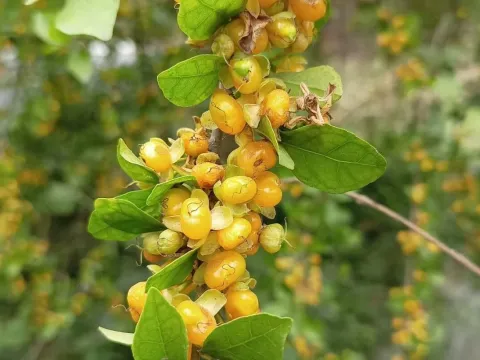
Streblus
Streblus
The Streblus genus, belonging to the Moraceae (mulberry) family, consists of evergreen trees and shrubs primarily native to the tropical and subtropical regions of Asia. These plants are well-adapted to warm, humid environments found in countries like India, Thailand, and the Philippines.
What the section contains


Streblus
For optimal development, Streblus requires a tropical climate with consistent temperatures and high ambient humidity. The plant is sensitive to frost and extreme cold, meaning that outdoor cultivation is generally restricted to frost-free zones where year-round growth is possible.
The culture thrives in well-drained, fertile soil, ideally ranging from loamy to sandy compositions with a neutral or slightly acidic pH level. Proper moisture management is essential; while the plant requires regular irrigation during the growing season, it is sensitive to waterlogged soils which can impair root health.
In terms of agricultural management, Streblus is highly adaptable to varying light conditions, ranging from full sun to partial shade. When cultivated in containers or small-scale farms, ensuring an efficient drainage system is a critical requirement to prevent root asphyxiation during periods of heavy rainfall.
Propagation is typically achieved through seeds or stem cuttings. Given its ability to form dense, flexible branches, the plant responds well to pruning, which makes it highly suitable for both structured agricultural planting and aesthetic landscaping purposes.
The economic utility of Streblus is diverse, with Streblus asper being the most notable species. Its leaves have a long history of use in traditional medicine and serve as a reliable source of green fodder for livestock in many rural areas, offering essential nutrients for animal health.
The timber obtained from Streblus trees is characterized by its durability and resistance to wear, making it valuable for crafting small household tools, wooden implements, and various agricultural handles. The bark is also valued for its fibrous properties, traditionally utilized in artisanal paper production.
While the fruit of the Streblus is not a major commercial crop, it is harvested in some regions for local consumption. It provides various antioxidants and vitamins, though its flavor profile and texture are often considered specialized, limiting its widespread appeal in international markets.
The plant has gained attention in the pharmaceutical industry due to the presence of bioactive compounds in its foliage and bark. Research focuses on the potential for developing natural antiseptic and anti-inflammatory agents extracted from the plant's biological tissues.
In the horticultural sector, Streblus is highly sought after for its slow growth rate and the ability to maintain shape, making it an excellent specimen for bonsai cultivation. Its contribution to the decorative nursery industry represents a significant part of its agricultural and economic value.
Fungal diseases affecting the root system are among the primary threats to Streblus, particularly when soil moisture management is neglected. Poor drainage combined with low temperatures creates conditions favorable for root rot, which can be devastating to established plants.
Common pests include aphids and scale insects, which target young foliage and stems. Regular inspection of the canopy and the underside of leaves is necessary to detect infestations early, allowing for the application of targeted biological control methods before significant damage occurs.
Powdery mildew may develop in environments with limited airflow and high humidity. Proper spacing between plants and regular thinning of the canopy are essential preventive measures to maintain good air circulation and reduce the risk of pathogen transmission throughout the plantation.
Soil-borne nematodes can pose a long-term threat to the plant’s vigor by damaging the root system, leading to stunted growth. Using clean, sterile substrates for propagation and practicing good sanitation in agricultural fields helps mitigate the risk of these microscopic pests.
- Maintain appropriate watering schedules to prevent root rot.
- Monitor foliage frequently for early signs of aphid or scale attacks.
- Implement regular canopy thinning to improve airflow and disease resistance.