
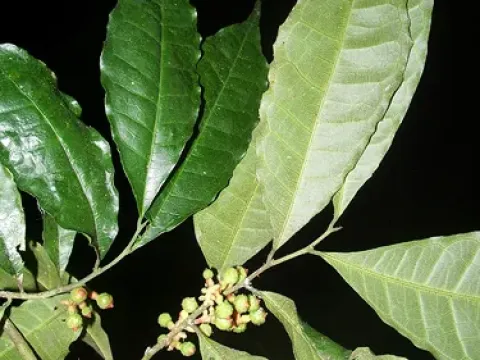
Sorocea
Sorocea
Sorocea is a genus of evergreen trees and shrubs belonging to the Moraceae family. These plants are primarily native to the tropical and subtropical rainforests of Central and South America.
What the section contains

Sorocea
Successful cultivation requires a climate consistent with tropical conditions, characterized by high year-round temperatures and consistent atmospheric humidity.
The plant thrives in deep, well-draining soils rich in organic matter. Proper soil management is critical, as root systems in the Moraceae family are highly susceptible to rot if subjected to waterlogging.
In their natural habitat, these trees are typically found in the understory of tropical forests, meaning they are adapted to low-to-moderate light intensity. Artificial cultivation often requires protective shading for saplings.
Agronomic practices focus on maintaining consistent soil moisture levels and incorporating sustainable agricultural systems to mimic the natural forest structure where these trees are most productive.
The primary economic use of Sorocea involves the consumption of its small fruits, which are traditionally harvested by local populations. Yield potential is determined by the specific species and the maturity of the trees.
The timber of certain species has limited usage in local construction and traditional crafts. While not globally traded, it provides essential materials for regional infrastructure and tool production.
Research is ongoing into the biochemical properties of Sorocea leaves and bark, which are being analyzed for their potential medicinal and antioxidant applications in modern pharmacy.
Sorocea serves a vital role in agroforestry, providing a stable food source for various fauna, which in turn helps sustain the ecological balance of the plantation area.
Commercial yields are currently managed on a small-scale basis, with research focusing on improving local harvesting methods to support sustainable community development.
Fungal diseases are the primary threat to the health of Sorocea plants, especially in regions with excessive rainfall or inadequate air circulation within the canopy.
Various pests, including scale insects and mites, represent a common challenge for the genus, as they target the leaves and young shoots, often leading to reduced vegetative vitality.
Habitat loss and tropical deforestation are significant threats to wild Sorocea populations, potentially leading to the loss of unique genetic strains within the genus.
Preventative measures, such as maintaining appropriate spacing between trees, are essential to ensure adequate airflow and reduce the incidence of moisture-related pathogens.
Biological control methods are encouraged to combat infestation, ensuring that the ecological integrity of the plantation site remains protected from excessive chemical use.