
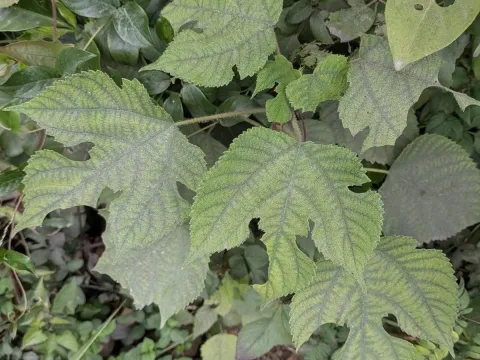
Paper mulberry
Broussonetia
Propagation of paper mulberry is typically achieved through seeds or vegetative methods such as root cuttings and suckers. Seeds should be stratified before planting in the spring to ensure optimal germination rates and uniform seedling growth.
What the section contains

Paper mulberry
For direct sowing, the seeds are placed in loose, well-draining soil at a depth of 1 to 2 centimeters. Maintaining consistent moisture and a temperature range of 18–22 degrees Celsius is essential for successful seedling establishment.
Vegetative propagation using semi-hardwood cuttings is best performed in late summer. Applying root-promoting hormones significantly increases the survival rate, allowing for the rapid expansion of nursery stocks.
When planting in their final location, maintain a spacing of 3 to 4 meters between trees. This distance is necessary to accommodate the plant's rapid growth rate and to ensure sufficient light penetration for the development of healthy, fiber-rich shoots.
As the plant is prone to aggressive root suckering, careful site selection is required to prevent it from spreading beyond the intended planting area, particularly in controlled agricultural environments.
Broussonetia papyrifera belongs to the Moraceae family and is a fast-growing deciduous tree. In its native habitat, it can reach heights of up to 15 meters, featuring large, distinctively shaped leaves and a broad, spreading canopy.
The plant thrives in deep, fertile loam soils with good moisture retention but is notably adaptable to various soil types. It requires adequate drainage to prevent waterlogging, which can be detrimental to root health.
Climate plays a vital role in its development, as the species is highly sensitive to extreme frost in its juvenile stages. It prefers warm, sunny environments where it can maximize its photosynthetic potential during the growing season.
Although it exhibits drought tolerance once established, consistent watering during the initial growth phase is necessary for biomass production. High air humidity is also beneficial for maintaining the vigor of the tree.
Standard horticultural practices include mulching to retain soil moisture and regular pruning. Pruning is specifically used to manage the shape of the tree and to stimulate the production of young shoots for harvest.
The primary agricultural output of paper mulberry is its bark, which is highly valued for its long, strong bast fibers. These fibers are the essential raw material for producing premium-quality artisanal and industrial papers.
Intensive plantation management involves harvesting shoots every one to two years. Frequent cutting cycles stimulate the plant to produce a higher volume of annual biomass, directly increasing the total fiber yield per hectare.
In addition to bark, the leaves serve as a nutritious fodder for livestock, including cattle and silkworms. The high protein content makes the foliage a valuable byproduct in integrated agricultural systems.
The timber obtained from older trees is useful for woodworking and furniture production, providing a secondary source of revenue for growers. It is moderately durable and easy to machine, adding to the economic versatility of the crop.
Fertilization with balanced NPK fertilizers, particularly nitrogen applications in early spring, is recommended to enhance growth rates and ensure a consistent supply of harvestable plant material.
Broussonetia papyrifera is remarkably resilient against many common plant diseases that affect other members of the mulberry family. This natural resistance reduces the need for frequent pesticide applications.
Fungal leaf spot diseases may occur in conditions of extreme humidity or poor airflow. Pruning to improve canopy ventilation is the primary cultural control method for managing these fungal risks.
Pests such as aphids or leaf-rollers may occasionally infest young shoots. Monitoring and using biological control agents, such as beneficial insects, are effective strategies for maintaining healthy plantations without heavy chemical intervention.
Root-knot nematodes can pose a threat, particularly if the soil is poorly drained or if the site was previously used for sensitive crops. Maintaining soil health and implementing proper crop rotation are critical preventive measures.
Using disease-free, certified nursery stock is the most important step in preventing the introduction of pathogens into a new plantation site. Always inspect new plants carefully before integrating them into your fields.
Harvesting the bark for papermaking is typically carried out in late autumn after the growing season, when the flow of sap has slowed and fiber quality is at its peak. Prompt processing after cutting is essential for bark preservation.
Foliage harvesting occurs during the active growing season, focusing on the period when leaf biomass is densest. Proper timing ensures that the nutrient content of the leaves is maximized for animal feed purposes.
Mechanized equipment is often used to cut and bundle shoots, significantly reducing labor costs on commercial plantations. Once harvested, the shoots are stripped of leaves and prepared for the bark-peeling process.
Steaming the shoots is a standard technique used to soften the tissues, making it easier to separate the bark from the woody core. This step is crucial for obtaining high-quality, clean fiber suitable for paper production.
Proper storage of the fiber material is vital to prevent degradation. It should be kept in a dry, well-ventilated area with moisture levels below 15 percent to ensure the longevity and quality of the raw material before processing.