
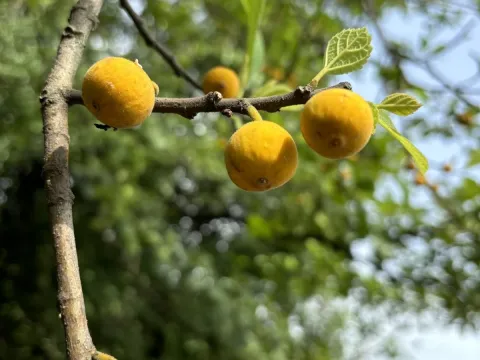
Sandpaper fig
Ficus exasperata
The sandpaper fig (Ficus exasperata) is a woody species belonging to the Moraceae family. It is naturally found in tropical Africa and parts of Asia, typically inhabiting lowland forests and savannah edges where humidity remains consistent throughout the year.
What the section contains
Sandpaper fig
This species is highly adaptable to various soil types, provided there is adequate drainage. In cultivation, it thrives in deep, fertile soils enriched with organic matter, which support its rapid growth rate and development of its distinctive rough foliage.
Climate requirements for this culture involve maintaining tropical temperature ranges, ideally between 22 and 30 degrees Celsius. It is sensitive to frost and extreme cold, requiring a protected environment if grown in regions outside the tropical belt.
Agricultural management includes consistent watering schedules. While the plant can withstand short dry spells once established, regular soil moisture promotes better health and leaf quality for those harvesting the foliage for commercial or medicinal use.
Beyond its botanical interest, the sandpaper fig is economically important for its medicinal properties and the unique texture of its leaves. The leaves are used as a traditional abrasive, earning it the name sandpaper fig, and are widely studied for pharmacological applications.
Common pests affecting the sandpaper fig include spider mites, which thrive in dry environments. Infestations lead to yellowing leaves and reduced vigor, often requiring consistent monitoring to manage.
Mealybugs are another significant threat, congregating in the leaf axils and stems. These insects suck sap from the plant and secrete honeydew, which can further encourage the growth of sooty mold.
Root rot is the most serious threat caused by overwatering or poor drainage. It manifests as a decline in plant health and requires immediate intervention, such as repotting or improving the soil aeration.
Fungal leaf spot diseases can occur under conditions of high humidity with poor air circulation. Proper spacing between individual plants is essential to maintain a healthy microclimate.
Effective pest and disease management for this crop relies on integrated control measures, including regular foliage washing and the use of eco-friendly biological controls where appropriate.