
Virgil oak
Quercus virgiliana
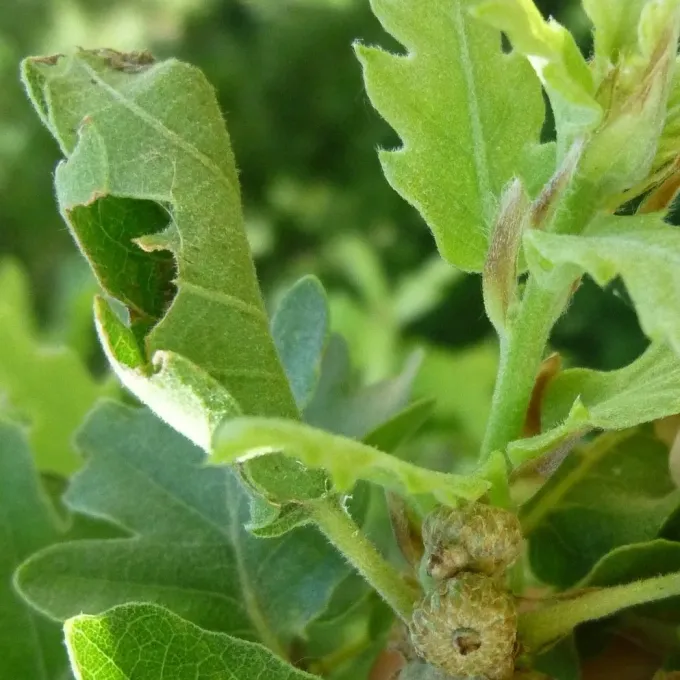
Description
Growing requirements
The Virgil oak (Quercus virgiliana) is a species within the Beech family (Fagaceae). It is closely related to the downy oak and is native to the southeastern regions of Europe, where it thrives in warm, temperate conditions.
This species is strictly photophilous, meaning it requires high levels of solar exposure to develop fully. When planted in shaded areas, growth rates are significantly reduced, and the overall structural integrity of the tree may suffer.
Regarding soil conditions, this oak is well-adapted to calcareous, dry, and rocky substrates. It exhibits remarkable drought tolerance, making it an excellent choice for reforestation projects in arid environments where other species fail.
Climatic requirements focus on regions with mild winters and hot summers. It is essential to ensure that the site has excellent drainage, as the species is highly susceptible to root decay when exposed to waterlogged soil conditions.
Management practices during the early stages of establishment include spacing the saplings appropriately to avoid overcrowding. Ensuring airflow within the plantation helps to prevent the microclimates that often favor the development of pathogens.
Main diseases and pests
Powdery mildew represents the most frequent threat to the foliage of the Virgil oak, especially during seasons characterized by high relative humidity and fluctuating temperatures. It covers the leaves with a white film, hindering photosynthesis.
Defoliating insects, such as the oak leaf roller and various species of moths, can significantly impact tree health. Repeated infestations weaken the tree, making it susceptible to secondary infections and environmental stress.
Wood-boring beetles and bark beetles are critical pests that target the vascular system of the tree. Their activity can cause mechanical damage and introduce fungal pathogens deep into the wood, eventually leading to tree mortality.
Gall wasps can cause significant deformities in leaves and twigs. While these galls are usually non-fatal, they can distort the growth pattern of young trees and decrease the overall vigor of the plantation if infestation levels are high.
Effective management includes integrated pest management (IPM) strategies, which prioritize the removal of deadwood and the promotion of natural predators to maintain a balanced ecosystem within the oak stands.