
Quercus spinosa
Quercus spinosa
Description
Growing requirements
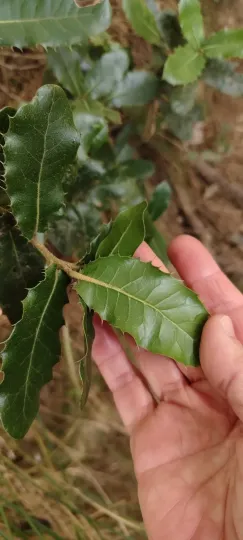
Quercus spinosa, commonly referred to as the spiny oak, is an evergreen species belonging to the Fagaceae family. Native to the mountainous regions of Asia, this tree is recognized for its distinctive spiny-margined leaves and robust growth habits in challenging environments.
The cultivation of this species requires well-drained, nutrient-rich soil. It thrives in locations where water drainage is efficient, as the root system is highly sensitive to waterlogging, which often leads to root rot and premature decline.
Regarding climate, Quercus spinosa prefers temperate to subtropical conditions. It requires consistent sunlight for optimal leaf development and overall canopy density. While it exhibits tolerance to sporadic drought, regular moisture during the early establishment phase is crucial.
In terms of agricultural management, the tree benefits from periodic organic fertilization, especially in soils with low fertility. Pruning should be performed during the dormant season to maintain the structural integrity and aesthetic shape of the canopy.
The hardiness of the species makes it a suitable candidate for reforestation projects in its native range, as well as for specialized ornamental landscaping where an evergreen screening effect is desired throughout the year.
Main diseases and pests
Common pathological threats include fungal infections such as powdery mildew, which often develops during periods of high humidity or poor air circulation within the tree's foliage layers.
Insect pests, including various species of oak-specific leaf miners and defoliating beetles, pose a significant risk to the health and visual quality of the foliage, potentially reducing the tree's photosynthetic efficiency.
Bacterial blight can manifest as localized necrosis on leaves and twigs. Maintaining strict sanitation practices, such as removing fallen infected leaves, is essential to curb the spread of pathogens within the nursery.
Root pathogens remain a primary concern for practitioners. Implementing a disciplined irrigation schedule and monitoring soil moisture levels helps prevent the conditions conducive to fungal soil-borne diseases.
Integrated pest management (IPM) strategies, including the use of targeted biological controls and localized horticultural oils, are recommended to protect the growth and vitality of Quercus spinosa plantations.