
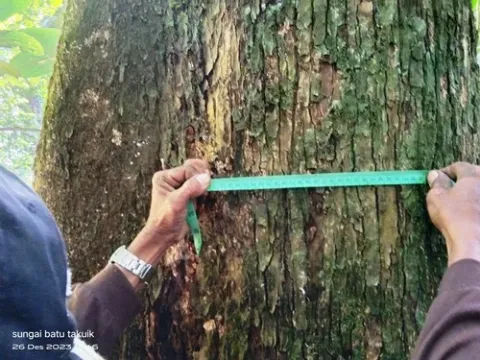
Parashorea aptera
Parashorea aptera
Parashorea aptera is a magnificent evergreen tree belonging to the Dipterocarpaceae family. Renowned for its significant size and ecological importance, it plays a vital role as a canopy-forming species in the primary lowland tropical rainforests of Southeast Asia.
What the section contains
Parashorea aptera
The species is primarily distributed across parts of Indonesia and Malaysia, thriving in regions with high annual rainfall and constant temperatures. These conditions are essential for maintaining the physiological processes of the tree throughout its prolonged growth cycle.
Cultivation requirements for Parashorea aptera include deep, well-draining, and nutrient-rich soils. The species does not tolerate waterlogging, meaning that site selection must prioritize areas with excellent natural drainage to prevent root asphyxiation and promote optimal development.
Agrotechnical practices involve careful management of light exposure. During the early stages, seedlings require a shaded environment to prevent desiccation and heat stress. As the tree matures, it becomes more tolerant of light, eventually competing for dominance in the forest canopy.
From an economic perspective, this species is highly valued for its timber, categorized under the white meranti trade name. The wood is widely utilized in architectural joinery, high-quality furniture making, and general construction due to its favorable density and workability.
The primary threat facing Parashorea aptera is the rapid loss of its natural habitat due to large-scale deforestation. Fragmentation of the landscape significantly restricts the genetic diversity of populations, making the species increasingly vulnerable to local extinction.
Pathogenic threats include various fungal species that affect the root systems and the vascular tissue of the tree. These diseases are often exacerbated by environmental stress, such as prolonged drought or extreme humidity fluctuations, which weaken the plant's natural defenses.
Insect pests pose a chronic challenge in both natural stands and nursery settings. Wood-boring beetles and defoliators can cause substantial damage, leading to reduced growth rates or structural instability of the trunk in younger specimens.
Herbivory, particularly by large mammals and rodents, can severely damage the bark and young apical meristems, often resulting in the death of saplings. Protecting young plants from physical damage is a crucial component of reforestation efforts involving this species.
Management strategies focus on integrated pest and disease monitoring, alongside the implementation of strict forest conservation policies. Protecting the existing stands from illegal logging and ensuring minimal human disturbance is essential for the long-term survival of the species.