
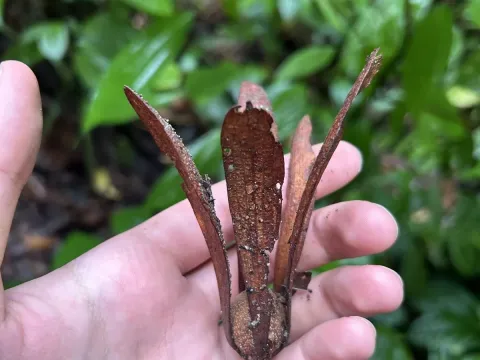
Parashorea
Parashorea
Parashorea is a genus of majestic evergreen trees belonging to the Dipterocarpaceae family. These plants are a vital component of the lowland tropical rainforests in Southeast Asia, spanning across Indonesia, Malaysia, and the Philippines.
What the section contains

Parashorea
For optimal growth, the species requires consistently high temperatures without significant fluctuations, characteristic of the equatorial climate. These trees are highly sensitive to moisture stress, necessitating regions with abundant and evenly distributed rainfall throughout the calendar year.
Regarding soil conditions, Parashorea prefers deep, well-drained, and fertile soils. Waterlogging in the root zone is detrimental to young saplings; therefore, planting sites must be selected carefully to exclude marshy or low-lying areas.
Silvicultural practices in plantations are designed to emulate the natural forest environment. During early developmental stages, saplings require moderate shading to mitigate stress from direct exposure to intense tropical sunlight.
A crucial aspect of forest management is maintaining the canopy structure, as Parashorea demonstrates high growth rates when provided with access to filtered light and protection from strong winds typical of open areas.
The primary economic use of Parashorea is the production of high-quality timber, commonly traded as "white meranti". This material is highly valued in construction for its strength, durability, and resistance to warping.
Harvesting is strictly conducted within managed forestry frameworks, necessitating long-term cultivation cycles. Mature trees reach significant dimensions, requiring specialized logging equipment for efficient extraction and processing.
The timber is widely sought after in the furniture industry, flooring production, interior finishing materials, and various architectural applications. Due to its physical and mechanical properties, it serves as a high-quality alternative to more expensive hardwoods.
Economic use of the species also encompasses environmental benefits, as Parashorea plantations contribute to preserving regional biodiversity and preventing soil erosion in tropical zones.
Persistent market demand for exotic timber drives the development of specialized forest nurseries dedicated to producing seedlings for reforestation efforts following harvesting cycles.
The primary threat to Parashorea involves pathogenic fungal infections that proliferate under high humidity conditions when silvicultural protocols are compromised. Infections can lead to root rot and significant structural weakening of the trunk.
Among pests, wood-boring insects and various leaf-feeding insects cause the most damage to young shoots and foliage. Consistent monitoring of pest populations is an essential component of plantation management systems.
Illegal deforestation represents a critical anthropogenic threat to the survival of natural populations. Habitat degradation disrupts natural regeneration cycles and severely depletes the genetic diversity of the genus.
Global climate change also introduces negative pressure by triggering prolonged droughts, to which mature trees are poorly adapted. Such stress periods render the plants more vulnerable to secondary opportunistic infections.
Comprehensive protection strategies include regular sanitary pruning of infected plant parts, the application of biological control agents, and maintaining optimal planting densities to ensure adequate airflow.