
Parashorea macrophylla
Parashorea macrophylla
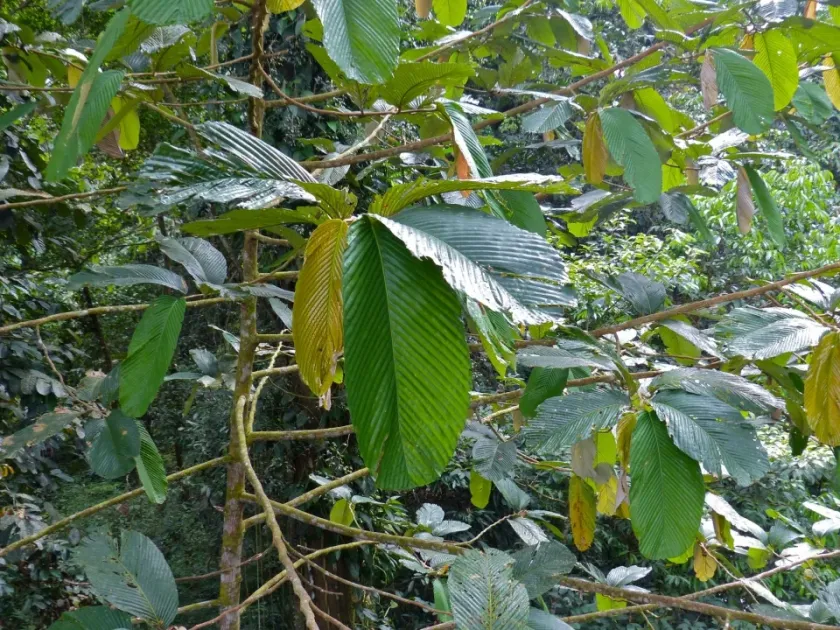
Description
Growing requirements
Parashorea macrophylla is a prominent member of the Dipterocarpaceae family, native to the tropical rainforests of Borneo. This species is recognized for its immense size and ecological significance within the primary forest canopy.
The cultivation of this species requires a strictly tropical environment characterized by high annual precipitation levels and consistent temperatures. It thrives in regions where the humidity remains high throughout the year, preventing moisture stress during the development phases.
Ideal soil conditions for this tree include deep, well-drained, nutrient-rich loams. Since the species is sensitive to waterlogging, site selection must prioritize areas with natural drainage systems to ensure root health and prevent oxygen deprivation in the subsoil.
Agronomic management begins with seed handling, as the recalcitrant seeds of Parashorea species do not tolerate desiccation. Nursery establishment must occur immediately after collection, providing seedlings with regulated shade to mirror the natural understory environment of their habitat.
Silvicultural practices involve careful thinning programs to optimize growth rates in timber plantations. Protecting juvenile trees from heavy weed competition is essential, as the initial growth phase is characterized by slow development while the plant invests energy into structural integrity.
Harvesting
The primary economic value of Parashorea macrophylla is derived from its timber, often categorized within the trade as a type of white meranti. The wood is highly sought after for its workability, structural durability, and suitability for high-end carpentry and construction applications.