
Hopea sangal
Hopea sangal
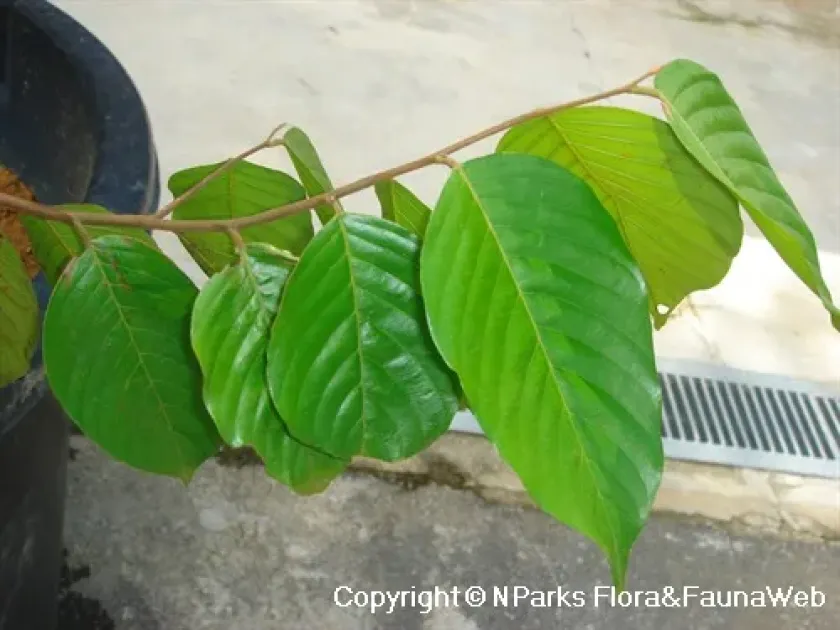
Description
Growing requirements
Hopea sangal is a prominent evergreen tree species belonging to the Dipterocarpaceae family. It is native to the tropical rainforests of Southeast Asia, thriving in regions across the Malay Peninsula, Borneo, and the Philippines.
The tree requires a consistently warm and humid climate to prosper. It does not tolerate frost or extreme temperature fluctuations, which makes it strictly a tropical species adapted to high rainfall and stable atmospheric moisture.
For optimal growth, Hopea sangal prefers deep, nutrient-rich clay or loamy soils. Good drainage is essential, as the species is highly sensitive to waterlogging, despite its affinity for high precipitation environments.
Botanically, it is known for its tall, straight trunk and dense canopy structure. It typically occupies the mid-to-upper layer of the forest, developing deep root systems that provide stability against the intense weather conditions of tropical regions.
In terms of silviculture, the tree requires partial shade during its initial growth stages. Exposure to direct, intense sunlight can lead to leaf scorching and stunted development in young specimens, making nursery management critical for successful establishment.
Yield
The wood of Hopea sangal is highly prized for its exceptional density and durability. It is widely used in high-quality furniture making, heavy-duty construction, and architectural projects where long-lasting material is required.
The yield of timber is limited by the slow growth rate characteristic of the Dipterocarpaceae family. Consequently, commercial forestry ventures involving this species operate on very long timeframes, emphasizing sustainable harvesting methods.
Ecologically, the tree plays a vital role in carbon sequestration and maintaining habitat for various forest species. Sustainable management of Hopea sangal involves selective harvesting rather than clear-cutting to ensure the regeneration of forest stands.
Research into plantation forestry is ongoing, aiming to balance commercial timber needs with biodiversity conservation. Successful plantations use agroforestry techniques to protect young saplings while optimizing soil conditions for better yield.
Economic output is heavily dependent on maintaining the health of the individual trees throughout their long life cycle, as wood defects caused by environmental stress can significantly reduce the market value of the harvested logs.
Main diseases and pests
Fungal infections in the root system are among the primary threats to Hopea sangal, especially in areas with poor drainage. These pathogens can cause root rot, eventually weakening the entire tree and leading to mortality.
Insect pests, particularly wood-boring beetles, pose a major risk to tree health. By excavating tunnels within the trunk, these insects compromise the structural integrity of the wood and provide entry points for dangerous secondary pathogens.
Habitat loss due to large-scale deforestation and conversion of forest land into agricultural zones remains the most significant threat to the species' long-term survival in the wild.
Climate change, manifesting as erratic rainfall patterns, exacerbates the trees' vulnerability to disease and pests. Increased monitoring and forest protection programs are essential to mitigate these risks effectively.
- Root rot caused by waterlogged soil conditions.
- Damage from wood-boring insect infestations.
- Loss of forest habitat due to deforestation.
- Genetic erosion within isolated wild populations.