
Parashorea tomentella
Parashorea tomentella
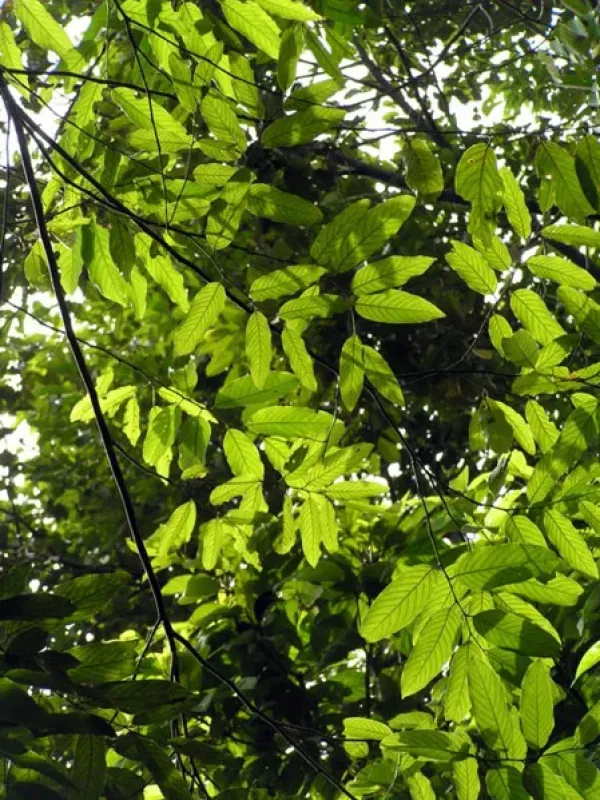
Description
Growing requirements
Parashorea tomentella is a prominent member of the Dipterocarpaceae family. This massive, evergreen tree species can grow up to 60 meters in height with a robust, cylindrical trunk, often dominating the canopy layers of tropical rainforests in Southeast Asia.
The natural distribution of this species is largely centered on the island of Borneo. It thrives in lowland alluvial areas and riverine environments where high humidity and consistent moisture levels are available throughout the year to support its growth.
Climate requirements for this species include stable tropical temperatures, ideally ranging between 24 and 32 degrees Celsius. It is highly sensitive to extreme cold or drought, making it unsuitable for cultivation outside of its native tropical climatic zones.
In nursery and plantation settings, shade management is essential during the early stages of growth. Seedlings require protection from direct, intense sunlight, mimicking the sheltered environment provided by the multi-layered forest canopy.
Soil quality is a critical factor for success; the tree prefers deep, fertile, and well-drained substrates. While it favors moist environments, stagnant water can lead to root pathogens, emphasizing the need for proper site selection and soil drainage.
Yield
Parashorea tomentella is highly valued for its timber, commonly marketed as "white seraya" or "white meranti." This wood is widely utilized in furniture manufacturing, high-quality plywood production, and various interior carpentry projects.
The timber is characterized by its moderate density, excellent workability, and appealing grain. These properties make it a preferred material for joinery and light structural work, meeting the high demands of international wood markets.
Sustainable forest management is vital for the continued production of this species. Given its slow to moderate growth rate, foresters often work on 50-year rotation cycles, balancing economic harvest with the ecological necessity of forest regeneration.
Beyond timber extraction, Parashorea plays a significant role in ecosystem services. It acts as an effective carbon sink and contributes to habitat structural complexity, supporting a diverse array of tropical flora and fauna within the forest ecosystem.
Modern plantation techniques aim to maximize the yield of straight logs. Proper spacing and thinning regimes are employed to reduce branching and encourage the development of clear, high-value timber sections, ensuring the economic viability of the plantation.
Main diseases and pests
Pathogenic fungi represent the primary biological threat, particularly in dense nursery environments where airflow is limited. Careful monitoring for leaf blight and stem rot is essential to prevent large-scale losses of young planting stock.
Various insect pests, including wood-boring beetles, can significantly weaken the trees by damaging the cambium layer. Effective integrated pest management practices are necessary to minimize the impact of these infestations in intensive cultivation areas.
Climatic stress induced by prolonged drought periods can be lethal for juvenile trees that have not yet established deep root systems. Water management strategies or irrigation may be required in regions where precipitation patterns are shifting.
Competition from invasive plant species and aggressive climbing vines can smother young saplings, preventing them from reaching the canopy. Regular manual weeding and maintenance of clearings are critical during the first decade of the tree's life.
The loss of natural habitat due to land-use change and unsustainable logging remains the greatest threat to wild populations. Conservation efforts focus on protecting existing stands and integrating Parashorea into large-scale reforestation initiatives.