
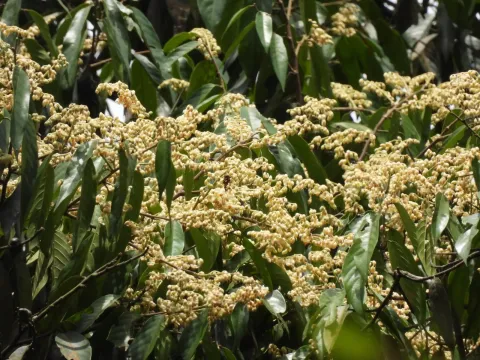
Neobalanocarpus
Neobalanocarpus
Neobalanocarpus (Neobalanocarpus heimii) belongs to the Dipterocarpaceae family. It is a massive, long-lived evergreen tree native to the tropical rainforests of Peninsular Malaysia, Thailand, and Singapore.
What the section contains

Neobalanocarpus
This species thrives in a stable tropical climate with high humidity and significant annual precipitation. It requires temperatures consistently above 20 degrees Celsius to maintain healthy metabolic processes throughout the year.
Soil requirements are quite demanding. The tree prefers well-drained, fertile loamy soils that provide sufficient depth for its extensive root system. Waterlogged conditions must be avoided as they inhibit healthy development and trigger root rot.
The cultivation of Neobalanocarpus is characterized by a very slow growth rate, making it a long-term investment. Seedlings require careful management, specifically the provision of shade during their early growth stages to mimic the understory of a primary forest.
Economically, the tree is highly valued for its timber, commonly known as Chengal. It is globally recognized for its exceptional strength, density, and natural resistance to decay, termites, and wood-boring beetles, making it ideal for structural engineering.
The primary threat to the survival of Neobalanocarpus is deforestation caused by land clearing for agricultural expansion. The conversion of its native habitat significantly limits the species' ability to regenerate naturally in the wild.
Fungal diseases constitute a major threat when the forest microclimate is disturbed. Excess soil moisture or poor drainage in planted areas can lead to the rapid proliferation of pathogens that target the tree's root system.
Insects, particularly wood-boring beetles, pose a risk to young trees or those weakened by environmental stress. However, mature timber is famously resistant to most insect attacks due to the presence of natural chemical extractives.
The low rate of natural seed dispersal and the specific ecological requirements of the saplings make the tree highly sensitive to environmental fragmentation.
Conservation strategies are essential to protect the remaining populations. This includes strict logging regulations, habitat preservation, and nursery-based propagation to ensure the long-term sustainability of this valuable tropical resource.