
Hopea semicuneata
Hopea semicuneata
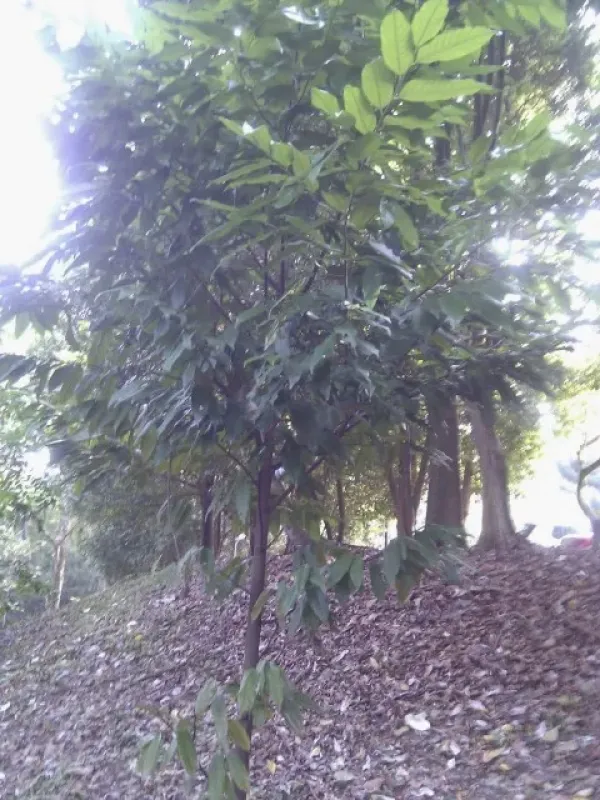
Description
Growing requirements
Hopea semicuneata is a prominent evergreen tropical tree species belonging to the Dipterocarpaceae family, known for its significant height and robust trunk structure.
The species is native to the rainforests of the Malay Peninsula, thriving in environments characterized by high humidity and consistent annual rainfall patterns.
Optimal growth requires well-drained, nutrient-rich soils, as the species is sensitive to waterlogging despite its adaptation to humid tropical settings.
As a key component of the rainforest canopy, it demands specific light conditions during its early developmental stages to ensure successful recruitment into the upper layers.
Environmental stability is crucial, with temperature ranges between 24 and 30 degrees Celsius being most conducive to the tree's health and metabolic activity.
Harvesting
The primary economic application of Hopea semicuneata is the production of high-quality hardwood, prized for its durability and resistance to decay.
Timber harvested from this species is traditionally utilized in construction, including heavy-duty infrastructure projects and premium furniture manufacturing.
Harvesting practices are governed by forestry regulations aimed at ensuring the long-term regeneration of the population within its natural habitat.
Processed lumber is highly valued for its mechanical strength, making it a sustainable choice for long-term construction projects in Southeast Asia.
Conservation efforts remain essential, as the slow growth rate of the tree necessitates careful management to prevent over-exploitation of this valuable botanical resource.