
Parashorea lucida
Parashorea lucida
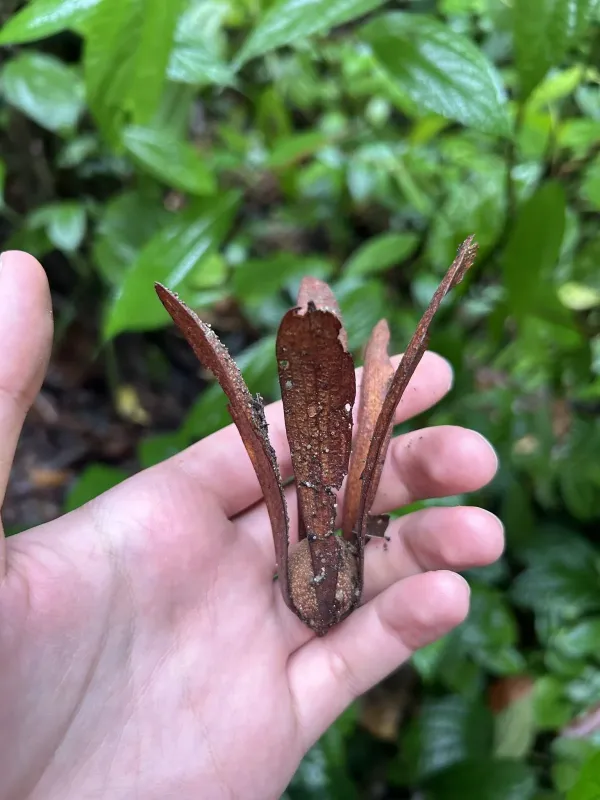
Description
Sowing dates
Propagation of Parashorea lucida is primarily achieved through seeds, which are known for their extremely short viability period. Sowing must be performed immediately after collection to prevent the seeds from drying out, which would cause them to lose their germination potential.
In nursery settings, seeds are sown into loose, organic-rich substrates. The seeds should be covered with only a thin layer of soil to ensure sufficient oxygen levels, which are essential for the metabolic processes during the initial germination stages.
Temperature control is critical, with optimal growth occurring between +25 and +30 degrees Celsius. High atmospheric humidity and regular misting are necessary to maintain a moist environment without waterlogging the sensitive emerging roots.
Seedlings are carefully transplanted once they develop their first few true leaves. It is vital to preserve the integrity of the taproot during this process, as any damage can significantly impair the tree's future vigor and structural stability.
Field planting is ideally timed for the beginning of the wet season. The inclusion of mycorrhizal fungi in the planting hole is highly recommended, as these symbionts assist the tree in nutrient uptake and establishment in its new location.
Growing requirements
Parashorea lucida is a majestic species belonging to the Dipterocarpaceae family, native to the tropical rainforests of Southeast Asia. The plant thrives in environments with consistently high temperatures and the total absence of freezing conditions.
The tree favors deep, well-drained clay or loamy soils that are rich in nutrients. Waterlogging must be avoided at all costs, as poorly drained conditions lead to root rot and severely inhibit the growth of the young tree.
High relative humidity and consistent annual rainfall are essential for this species to reach its full potential. As it is a large canopy tree, it requires significant space to develop its characteristic wide-spreading crown as it matures.
Light requirements shift as the tree grows; young saplings perform best under partial shade, mimicking the forest understory, while mature trees require full sunlight to sustain their high photosynthetic rate and wood production.
Maintaining the integrity of the soil's natural microbial community is essential for successful cultivation. The tree relies on complex symbiotic relationships to acquire phosphorus and other trace elements from the forest soil.
Harvesting
The primary economic focus for Parashorea lucida is the production of high-quality hardwood. It is prized for its durability, resistance to decay, and uniform texture, making it an excellent choice for luxury furniture and cabinetry.
Sustainable harvesting techniques, such as selective logging, are employed to manage populations effectively. This approach ensures that the forest structure is maintained, allowing for natural regeneration and the continued health of the ecosystem.
The wood's dense composition offers high resistance to insect attacks, which adds to its value for structural applications and high-end interior finishes. It is known for its ability to hold intricate detail when carved or machined.
Post-harvest processing involves strictly monitored kiln drying to prevent warping and internal checking. Properly cured timber is stable and durable, highly sought after by woodworkers for a variety of demanding professional projects.
Forest management strategies emphasize the continuous planting of nursery-grown saplings to replace harvested trees. This systematic approach ensures that the supply of high-grade timber remains consistent while promoting environmental conservation.