
Parashorea densiflora
Parashorea densiflora
Description
Growing requirements
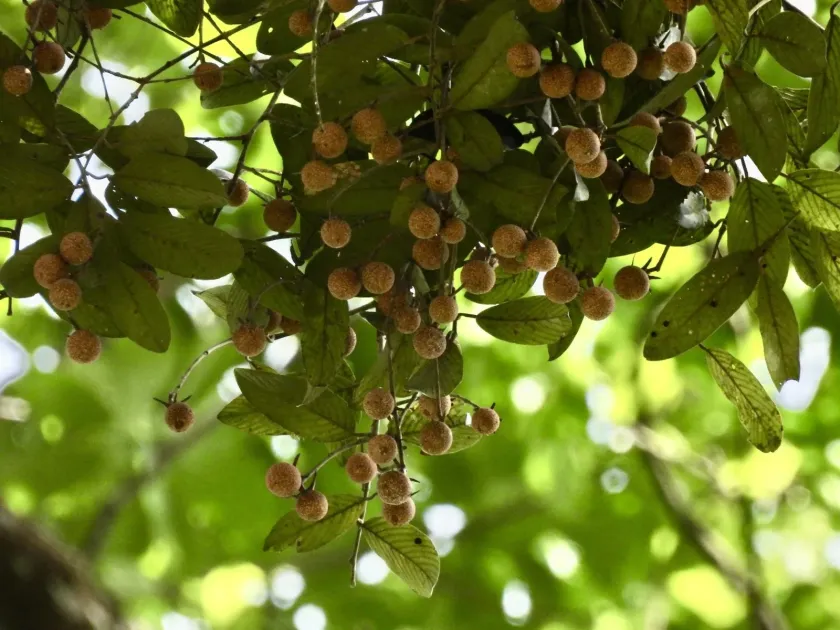
Parashorea densiflora is a prominent tropical tree species belonging to the Dipterocarpaceae family. Native to the lowland rain forests of Peninsular Malaysia, this majestic species is highly valued for its ecological significance and commercial potential in the timber industry.
The culture thrives in tropical climates characterized by high temperatures and abundant year-round rainfall. It requires deep, well-drained loamy soils to develop its extensive root system properly. Exposure to consistent humidity is essential for the healthy physiological development of the tree.
Botanically, this species is noted for its ability to reach significant heights, often forming part of the forest canopy. The tree produces high-quality timber, classified within the commercial trade group known as white meranti, which is prized for its durability and structural strength.
In terms of silviculture, Parashorea densiflora demands shade during its seedling phase, mimicking the understory environment of a dense tropical forest. As the tree matures, its demand for direct sunlight increases, necessitating careful spacing and canopy management in plantation settings.
Economic utilization includes the production of high-end joinery, flooring, and plywood. Due to the slow growth rate and habitat loss, the management of this species is critical for sustainable forestry practices aimed at restoring biodiversity in its natural range.
Main diseases and pests
The species faces threats primarily from fungal pathogens that target the root systems in poorly drained soils. Furthermore, various wood-boring insects present a challenge to timber quality, while habitat fragmentation remains the greatest long-term threat to wild populations.