
Parashorea smythiesii
Parashorea smythiesii
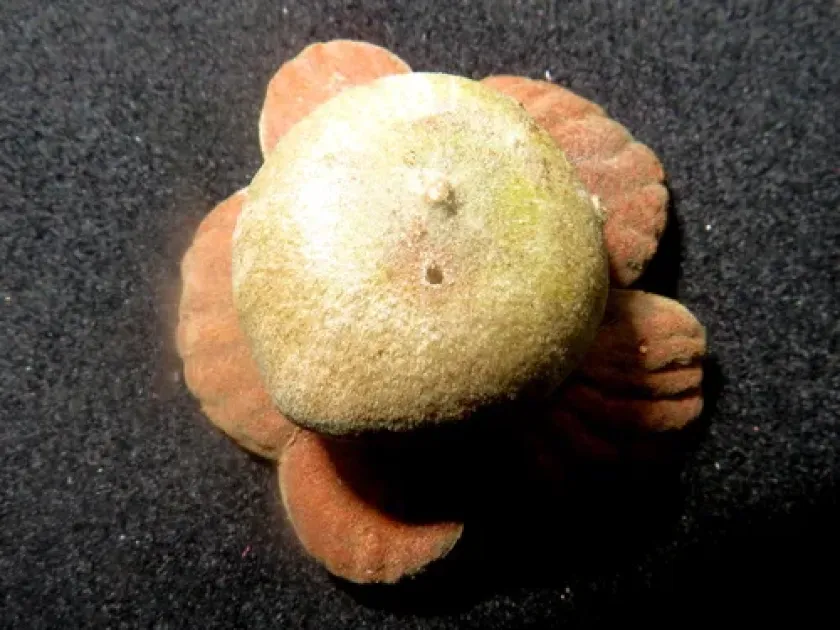
Description
Sowing dates
Parashorea smythiesii is a significant tropical species that requires careful seed management due to the recalcitrant nature of its seeds. Seeds must be harvested immediately after falling to the forest floor to prevent desiccation and loss of viability, which occurs rapidly under ambient conditions.
The sowing process involves placing fresh seeds into specialized nursery containers with high-quality substrate. Maintaining high humidity is critical for successful germination, as the seeds have no dormancy period and are programmed to sprout quickly in the presence of moisture.
Nursery practices include constant misting to simulate the tropical environment and provide the young seedlings with stable humidity levels. Shade cloths are used to provide the dappled light necessary for early growth, protecting the sensitive tissue from harsh direct sunlight.
Successful germination usually occurs within a few weeks, after which the seedlings require careful monitoring for fungal infections. The substrate should be well-drained to avoid waterlogging, which is a common cause of failure in nursery environments for this species.
Hardening off the seedlings is the final nursery stage, where the intensity of sunlight is gradually increased. This prepares the plants for transplantation into open areas, ensuring they are robust enough to cope with the environmental challenges of the field.
Growing requirements
As a member of the Dipterocarpaceae family, Parashorea smythiesii demands specific climatic conditions that reflect its native habitat in tropical rainforests. It thrives in regions with consistently high temperatures and minimal seasonal variation.
The species prefers deep, nutrient-rich, and well-draining soils, often found in alluvial plains or volcanic soils. While it flourishes in high-rainfall areas, the soil must possess good structure to prevent anaerobic conditions that can suffocate the root system.
Light requirements evolve with the age of the tree. Seedlings and young trees prefer the shade of a canopy to protect them from excessive heat, whereas mature trees require full canopy access to maximize their photosynthetic capacity and vertical growth.
A minimum of 2500–3000 mm of annual rainfall is ideal for sustained growth. The distribution of this rain is as important as the total volume, as prolonged dry spells can lead to stress, reduced biomass accumulation, and susceptibility to pests.
Soil pH should ideally be slightly acidic to neutral, facilitating the optimal uptake of essential minerals. Natural mulching from leaf litter is highly beneficial, as it helps retain soil moisture and contributes to the cycle of organic matter decomposition.
Yield
Parashorea smythiesii is highly valued for its timber, which is commercially categorized within the 'white meranti' group. This timber is appreciated for its workability, uniform texture, and suitability for high-end carpentry and construction projects.
The time to reach harvestable timber size ranges from 40 to 60 years. Sustainable forest management practices, including selective thinning and site maintenance, are crucial to ensure that the trees grow to their maximum potential without competition.
Yield productivity is maximized in managed stands where the density is optimized for the specific soil type. Proper spacing prevents crown interlock and promotes the development of clean, straight boles, which are essential for producing high-quality lumber.
The timber is used extensively for furniture making, interior plywood, and structural wood components where durability and aesthetic finish are required. This economic potential drives the interest in planting this species for long-term timber investments.
Sustainable harvesting techniques, such as low-impact logging, allow for the extraction of timber while preserving the forest ecosystem. This ensures that the production site remains productive for future rotations of the species.
Main diseases and pests
Fungal diseases are a major concern, particularly in high-humidity nursery or plantation environments. Pathogens can affect the roots, stems, and leaves, significantly impacting the survival rate of the young stock.
Various insect pests, including wood-boring beetles, can infest trees that have been weakened by environmental stress or poor management. Regular scouting and preventative measures are essential to identify and mitigate pest outbreaks before they become catastrophic.
Vines, creepers, and invasive weeds pose a significant threat to saplings, as they can quickly overgrow and shade out the young trees. Regular maintenance of the plantation, including manual weeding, is necessary to keep the growth trajectory of the crop steady.
Climate change-induced droughts increase the vulnerability of the trees to opportunistic pathogens. Trees under physiological stress are less capable of defending themselves against common forest pests, leading to potential long-term declines in stand health.
Fire remains the greatest risk to young plantations during exceptionally dry years. Establishing firebreaks and maintaining a clear perimeter is vital for protecting the investment and the biological integrity of the growing forest area.