
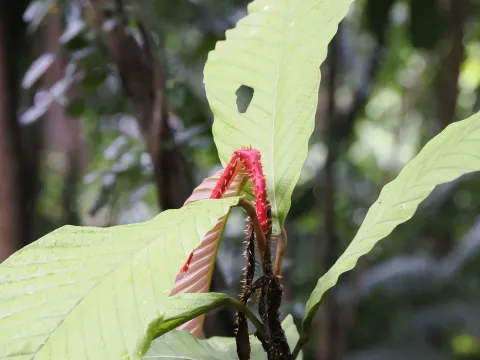
Dipterocarpus cornutus
Dipterocarpus cornutus
Dipterocarpus cornutus belongs to the Dipterocarpaceae family, which comprises a vast group of tropical forest trees known for their ecological and economic importance. These trees are essential components of the lowland rain forests in Southeast Asia.
What the section contains
Dipterocarpus cornutus
The species naturally thrives in regions with tropical equatorial climates, requiring consistently high temperatures throughout the year. It is highly sensitive to seasonal changes and demands high annual rainfall to maintain its rapid growth and physiological functions.
Soil requirements for this species include deep, fertile, and well-drained substrates. While the tree loves humidity, it cannot thrive in waterlogged conditions, making proper soil drainage a critical aspect for successful forest establishment and growth.
Botanically, the species is distinguished by its straight, tall trunk and broad leaves adapted for efficient canopy light capture. The structural integrity of the wood makes it a highly sought-after material for heavy construction and high-quality furniture production.
In terms of forest management, this culture is often used in reforestation programs aimed at restoring native forest cover. Its ability to produce high-value timber while contributing to carbon sequestration makes it a valuable asset for sustainable tropical land use.
The primary threats to Dipterocarpus cornutus include fungal pathogens that thrive in humid environments. These diseases can impact both the root systems and the trunk, significantly slowing growth rates or causing tree mortality if left unmanaged.
Insect pests, particularly borers and wood-attacking termites, pose a significant risk to the timber quality. Integrated pest management, which includes maintaining proper stand density and promoting natural predator populations, is essential for healthy forest growth.