
Dipterocarpus eurhynchus
Dipterocarpus eurhynchus
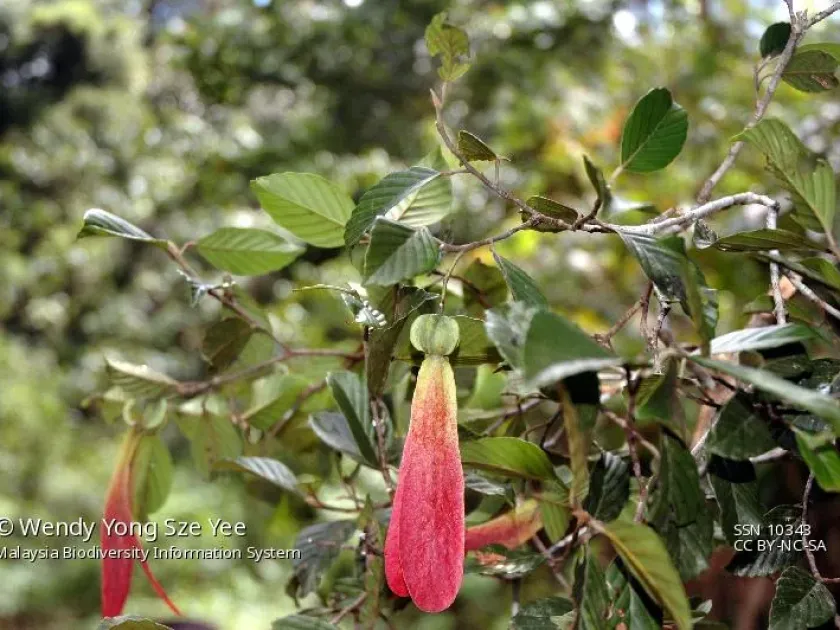
Description
Growing requirements
Dipterocarpus eurhynchus is a majestic tree belonging to the Dipterocarpaceae family, naturally occurring in the tropical rainforests of Southeast Asia, particularly in Borneo and Malaysia.
The species requires a climate defined by high humidity and consistent, warm temperatures throughout the entire year, which are essential for its vigorous growth and development.
Regarding soil conditions, this plant thrives on well-drained, nutrient-rich alluvial soils found in tropical basins. It is sensitive to soil compaction and waterlogging, necessitating careful site selection for potential cultivation efforts.
Botanically, it is known for its tall, straight trunk and dense canopy. The tree typically exhibits a slow growth rate in its juvenile stage, which requires long-term management and patience during the establishment phase.
Economically, the species is highly valued for its durable and strong timber, which is widely used in heavy construction, boat building, and the manufacturing of high-quality furniture, contributing significantly to local economies.
Main diseases and pests
Major threats to the species include wood-boring insects, which significantly degrade the quality of the timber and reduce the overall economic yield of the stands.
Fungal pathogens represent a major concern, particularly when trees are planted in high-density areas that lack adequate airflow, leading to rapid disease spread.
The loss of natural habitat due to deforestation and illegal logging practices poses a severe threat to the long-term survival of the species in its original range.
Seedling blight can occur in nurseries if hygiene standards are not strictly maintained, necessitating specialized care during the early propagation stages.
Sustainable management practices, including regular health checks and the control of pest populations, are essential to protect the long-term viability of Dipterocarpus eurhynchus plantations.