
Dipterocarpus confertus
Dipterocarpus confertus
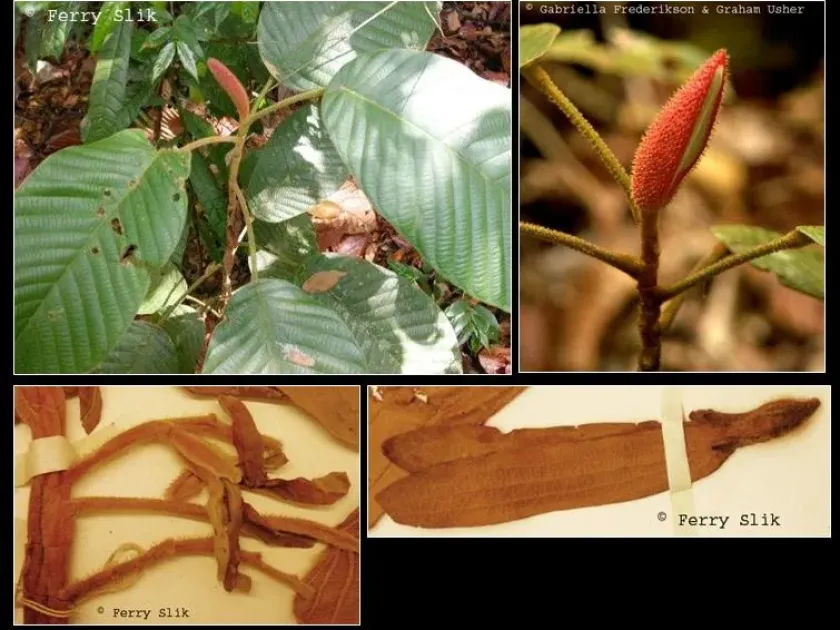
Description
Growing requirements
Dipterocarpus confertus is a prominent member of the Dipterocarpaceae family, native to the tropical rainforests of Southeast Asia. This species is known for its impressive stature and its critical role in maintaining the canopy structure of pristine forest ecosystems.
The climate requirements for this species are strictly equatorial. It thrives in environments with high humidity, consistent temperatures, and abundant annual rainfall. The tree lacks physiological adaptations to withstand frost or prolonged seasonal drought, making it exclusively a tropical crop.
Regarding soil preference, it requires deep, well-drained loamy soils rich in organic matter. While it is adaptable to various tropical terrains, it performs best on sites where the soil structure allows for deep root penetration without the risk of stagnant water, which can induce root decay.
Agrotechnical management primarily involves selective silviculture practices. In nursery settings, seedlings require shade management to replicate the dappled light of the forest floor during their early developmental stages. This helps ensure healthy biomass accumulation before they are outplanted.
Economically, the species is valued for its dense and durable timber, which is highly sought after for construction, flooring, and heavy-duty carpentry. Its wood quality makes it a significant resource for the logging industry while also serving as a focus for conservation-based forest management.
Main diseases and pests
The primary threat to Dipterocarpus confertus is widespread habitat loss resulting from deforestation and land conversion. As tropical forests are cleared, the surviving individuals become isolated, hindering the natural reproductive cycles essential for the species' survival.
Fungal pathogens represent a significant risk, particularly those that target the vascular system of the tree during periods of excessive environmental stress. These diseases can lead to rot, which compromises the structural integrity of the main trunk and reduces timber quality.
Pest pressure from wood-boring insects and defoliators can stunt the growth of young saplings. These pests often exploit weakened trees, making integrated pest management (IPM) strategies difficult to implement across large, inaccessible forest tracts.
Low recruitment rates pose a challenge for population density, as natural seed germination is often hampered by seed predation by forest mammals and environmental instability. Ensuring a stable population requires artificial regeneration and protection of seed trees.
Soil degradation and erosion following surrounding forest canopy loss can expose the roots of Dipterocarpus confertus to heat stress. Without the protective canopy, the microclimate shifts, making the environment unfavorable for the tree's long-term health and growth stability.