
Dipterocarpus gracilis
Dipterocarpus gracilis
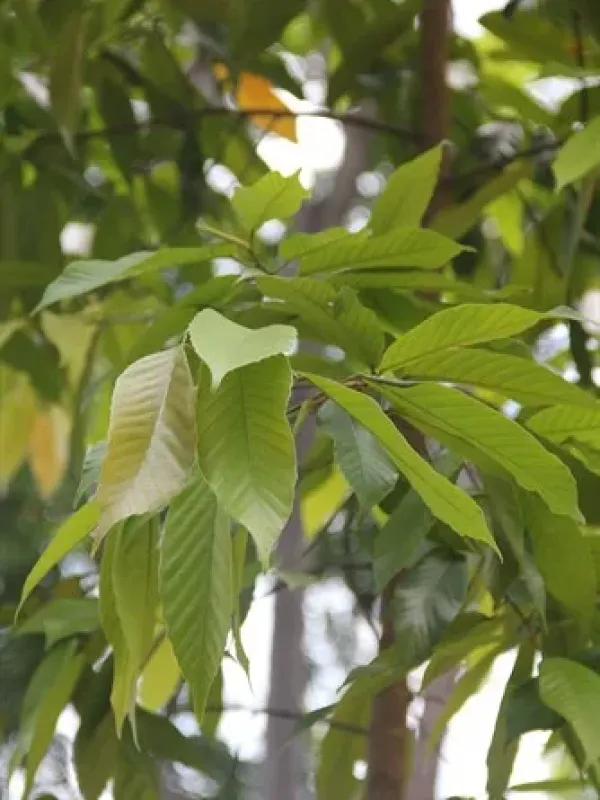
Description
Growing requirements
Dipterocarpus gracilis is a large tropical tree belonging to the Dipterocarpaceae family. It is native to the lowland and hilly rain forests of Southeast Asia, thriving in high-humidity environments.
The culture requires tropical climatic conditions characterized by consistent temperatures throughout the year. Reliable rainfall is essential to maintain the moisture levels required for the tree's physiological processes.
The preferred soil types for this species are deep, fertile, and well-drained soils. While the tree can tolerate high groundwater tables, it avoids stagnant water, which can lead to root system degradation.
In terms of light requirements, seedlings exhibit tolerance to shade, which is vital for survival under the forest canopy. Mature trees, however, demand full or partial sunlight to support the massive growth of their canopy.
Proper forest management techniques are necessary to ensure the survival of young saplings, as they are vulnerable to extreme fluctuations in soil moisture and intense heat during their establishment phase.
Yield
The economic value of this tree is primarily based on its timber, marketed under the common industry name "keruing." It is highly valued for its structural strength and is used in construction and flooring.
Harvesting strategies in modern forestry focus on sustainable selection systems, ensuring that only mature trees are removed while allowing natural regeneration to occur within the forest plot.
The secondary utility includes the production of oleoresins, which are extracted from the trunk. These substances have historically played a role in local medicine and lighting, representing a supplementary economic gain.
Productivity is highly dependent on the site index and the overall quality of the tropical forest management plan. Sustainable operations prioritize long-term growth cycles to optimize biomass yield.
Technological advancements in timber processing have increased the overall efficiency of utilizing wood from this genus, reducing waste and enhancing the value of raw logs.
Main diseases and pests
The most significant threat to Dipterocarpus gracilis is deforestation driven by the expansion of large-scale plantations and urban development. Habitat loss remains the critical factor for population decline.
Pathogenic threats include various root-rot fungi that thrive in disturbed soil conditions. Managing drainage and ensuring healthy soil biota are essential practices for maintaining forest vitality.
Stem-boring insects can severely impact the quality of the timber, creating galleries that downgrade the wood value. Regular monitoring of the forest health is standard practice in commercial silviculture.
Climate change poses a long-term risk, particularly through shifting rainfall patterns that impact the flowering and fruiting cycles of the trees, potentially hindering natural regeneration.
- Large-scale deforestation and land conversion.
- Root-rot fungal pathogens.
- Stem-boring insect infestations.