
Dipterocarpus costulatus
Dipterocarpus costulatus
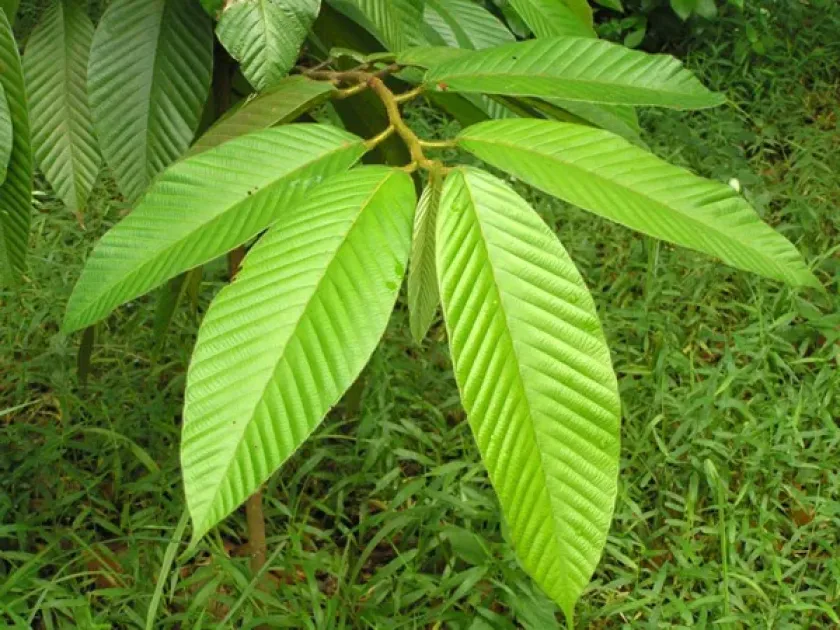
Description
Growing requirements
Dipterocarpus costulatus is a prominent member of the Dipterocarpaceae family. This large evergreen tree, which can reach impressive heights in its native habitat, features a massive, cylindrical trunk with distinctive exfoliating bark, typical of the genus.
The species is indigenous to the lowland tropical rainforests of Southeast Asia. It thrives in humid equatorial climates where consistent temperatures and high rainfall levels are observed throughout the year, supporting its rapid growth and canopy development.
The tree requires deep, well-drained clay-rich soils to thrive. While it is adapted to high moisture environments, it cannot withstand waterlogged conditions, which can lead to root system decay and hinder the health of the entire stand.
In silvicultural practices, site preparation involves managing the soil structure to ensure optimal drainage. Young trees are shade-tolerant, which is crucial for their establishment in the understory during the initial stages of growth in reforestation projects.
As the tree matures, it requires significant light availability for further development of its crown. Forestry management must balance canopy thinning with protection against strong winds, which can damage the canopy and the structural integrity of the timber.
Yield
The timber derived from Dipterocarpus costulatus is commercially recognized as a type of 'keruing'. It is highly valued in the global market for its strength, durability, and resistance to wear, making it a preferred choice for heavy construction and structural components.
The wood is commonly used for flooring, railway sleepers, heavy-duty furniture, and plywood production. Its high density and mechanical properties make it suitable for environments where longevity and structural stability are strictly required.
Yield estimation for this species depends heavily on the rotation cycle and density of the plantation. Modern forest management practices focus on enhancing productivity through genetic improvement and silvicultural treatments that optimize growth rates.
The overall timber yield is maximized when trees reach a target diameter, ensuring high-quality heartwood production. Proper harvest scheduling is essential to maintain the economic viability of timber production while adhering to sustainable harvesting quotas.
In addition to timber, the tree is a source of resin, often extracted by traditional methods from the trunk. This resin has historical applications in the production of varnishes, lacquers, and various traditional medicine products across its native range.
Main diseases and pests
Root and stem rot caused by pathogenic fungi represent a significant threat to Dipterocarpus costulatus, particularly in sites where soil moisture management is inadequate. Preventive measures focus on maintaining proper drainage and ensuring air circulation.
Insect pests, specifically wood-boring beetles and defoliators, are a primary concern for foresters. These organisms can severely damage the phloem and sapwood of young trees, leading to reduced growth rates and poor timber quality in mature stands.
Environmental stressors, such as climate variability and habitat fragmentation, can exacerbate the impact of diseases. Effective management strategies involve monitoring pest populations and implementing integrated pest management (IPM) practices to limit damage.
Biological controls are often employed to maintain the ecological balance within plantations, reducing the need for synthetic chemical treatments. This approach is essential for preserving the biodiversity of tropical ecosystems adjacent to plantation areas.
Nutrient deficiency can also affect the tree's susceptibility to diseases. Regular soil testing and the application of balanced organic fertilizers ensure the long-term health and resilience of the stand against environmental and biotic stressors.