
Dipterocarpus applanatus
Dipterocarpus applanatus
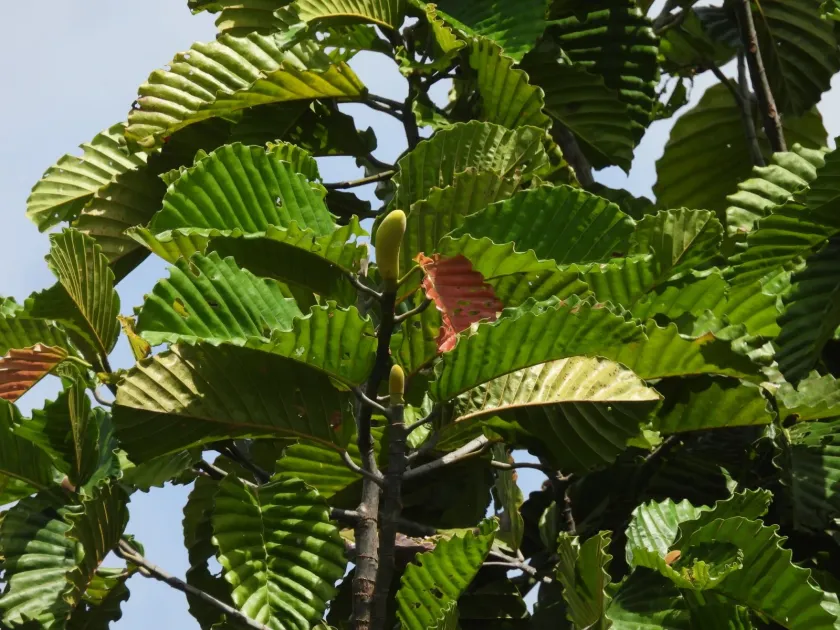
Description
Growing requirements
Dipterocarpus applanatus is a majestic evergreen tree belonging to the Dipterocarpaceae family. It is native to the lowland tropical rainforests of Borneo, playing a vital role in the structure of the canopy.
The climatic conditions required for its successful development include high temperatures and consistent humidity. This species thrives in environments where rainfall is abundant and evenly distributed throughout the year.
Regarding soil requirements, the tree prefers deep, well-drained, and nutrient-rich substrates. It is highly sensitive to soil compaction and waterlogging, which can severely hinder root respiration and nutrient uptake.
Botanically, it is characterized by its large, leathery leaves and winged fruits that are dispersed by the wind. Its slow growth rate is a natural adaptation to competition for light within the dense tropical forest.
In terms of хозяйственного usage, the timber is prized for its density and durability in construction. However, due to its endangered status in many regions, sustainable management practices are strictly enforced.
Main diseases and pests
The primary threat to Dipterocarpus applanatus is the rapid conversion of tropical forests into commercial plantations, particularly for palm oil production. This habitat loss results in severe fragmentation of populations.
The species faces pressure from various pests, including wood-boring beetles that affect mature trees. In forest nurseries, fungal pathogens such as Pythium and Phytophthora pose a risk to young seedlings.
Climate instability significantly affects the irregular flowering patterns of the species, reducing the availability of viable seeds. This natural limitation makes reforestation programs challenging and time-consuming.
Illegal logging remains a persistent problem, as the demand for high-quality tropical timber drives unsustainable harvest practices. This leads to the erosion of soil and the loss of essential forest microclimates.
Effective conservation efforts require protecting large continuous forest areas. Strategies focus on integrating scientific research with community forestry to ensure the long-term survival of this valuable species.