
Dipterocarpus hispidus
Dipterocarpus hispidus
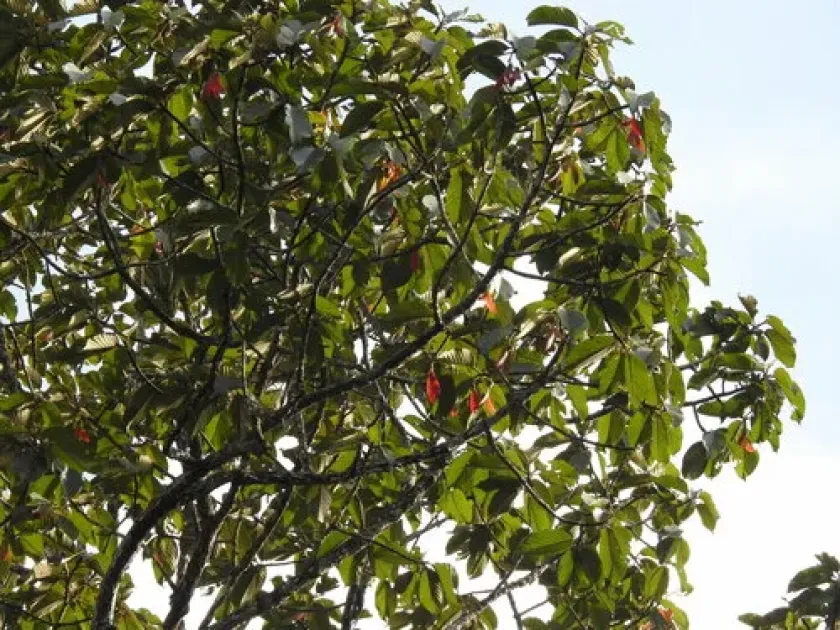
Description
Growing requirements
Dipterocarpus hispidus is a prominent species within the Dipterocarpaceae family, well-known for its role in tropical rainforest ecosystems. It is a large, tall tree that characterizes the tropical lowlands of its native range. The species thrives in environments where rainfall is abundant and evenly distributed throughout the year.
The cultivation of this species requires specific environmental conditions, including deep, nutrient-rich soils that offer excellent drainage. While the plant requires high levels of soil moisture, it cannot tolerate waterlogging, which often leads to root rot and stunted growth. Soil aeration remains a critical factor for the healthy development of its deep root system.
Climatically, Dipterocarpus hispidus demands high ambient temperatures and consistent humidity. It is strictly adapted to tropical regions and shows poor resilience to cold snaps or dry winds. In forest management, the species is often categorized as a climax plant, requiring canopy shelter in its juvenile growth stages.
Botanically, the tree is recognized by its hispid (hairy) leaves and shoots, which provide a unique taxonomic identification feature. The bark and foliage structure are adapted to heavy rainfall and competition for light in dense forest environments. These biological traits contribute to the high quality and density of the wood produced by the tree.
In terms of economic value, this culture is primarily cultivated for its high-grade timber. The wood is sought after for its durability, structural strength, and resistance to environmental degradation. Sustainable harvesting of this species remains a priority for forestry departments in tropical countries to ensure long-term availability of the resource.