
Dipterocarpus caudatus
Dipterocarpus caudatus
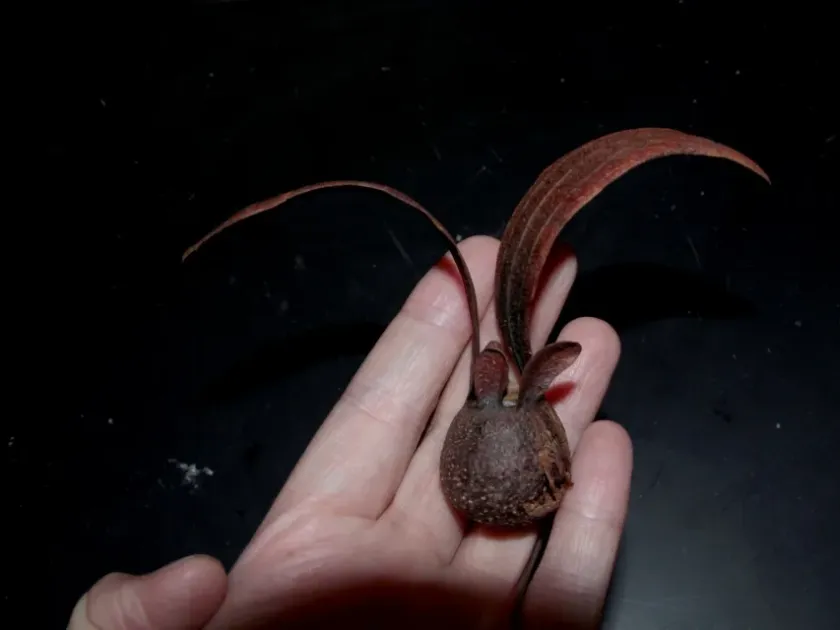
Description
Growing requirements
Dipterocarpus caudatus is a prominent member of the Dipterocarpaceae family, typically found in the pristine tropical rainforests of Southeast Asia.
This culture demands a consistently hot and humid environment throughout the year to thrive, characteristic of equatorial climate zones.
For successful growth, it requires deep, well-draining soils that are rich in nutrients and organic matter, typical of forest floors in its native habitat.
Seedlings and young trees are sensitive to intense direct sunlight and benefit from the dappled shade provided by the upper forest canopy.
The tree requires significant annual rainfall and does not tolerate prolonged drought periods, which can lead to stunted growth and increased susceptibility to stress.
Yield
The primary economic value of this species lies in its high-quality timber, which is commercially categorized under the keruing wood group.
The wood is highly valued in construction and furniture making due to its structural strength, durability, and resistance to environmental factors.
Beyond timber, Dipterocarpus species are historically significant for the production of oleoresins used in various traditional and industrial applications.
Yield management in forestry is based on long-term rotation cycles, ensuring that harvesting practices remain within the limits of natural regrowth.
Sustainable logging practices involve careful selection of mature trees to minimize impact on the surrounding biodiversity and the forest ecosystem structure.
Main diseases and pests
The most significant threat to Dipterocarpus caudatus is the ongoing loss of its natural forest habitat due to large-scale agricultural expansion.
Fungal pathogens thriving in high-humidity tropical environments can compromise the health of the trees, especially if the root systems are damaged.
Insect pests, including various larvae and borers, represent a challenge for the health of foliage and the integrity of the woody tissue in younger stands.
The fragmentation of forest corridors impedes natural seed dispersal and limits the genetic pool necessary for the species' long-term resilience.
Climate instability, manifesting as erratic precipitation patterns, can disrupt the flowering and seeding cycles essential for natural regeneration.