
Dipterocarpus baudii
Dipterocarpus baudii
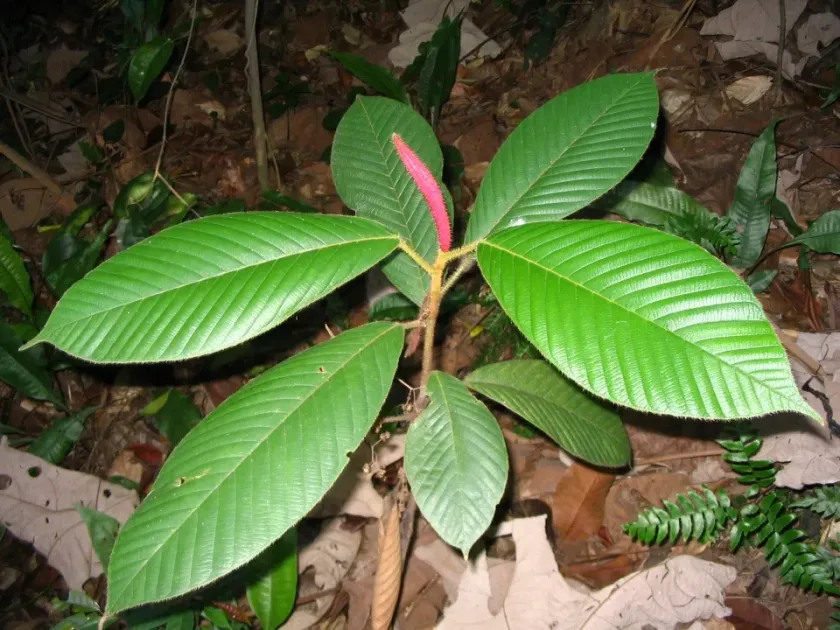
Description
Growing requirements
Dipterocarpus baudii is a prominent member of the Dipterocarpaceae family. It is a large, evergreen hardwood tree known for its significant stature, frequently reaching heights of up to 40 meters in its native habitat.
The species is native to the tropical regions of Southeast Asia, specifically across countries like Thailand, Vietnam, and Malaysia. It thrives in humid, evergreen forest ecosystems where the climate is characterized by warm temperatures and consistent rainfall.
Successful cultivation of this tree requires deep, well-draining soil profiles. The species performs optimally on fertile loamy soils and is highly intolerant of waterlogged conditions, which can lead to root rot and poor tree development.
In terms of forestry management, the young trees are semi-shade tolerant, benefiting from canopy cover in the early stages of growth. As they mature, they require full sun exposure to maintain rapid growth rates and achieve optimal wood density.
Economically, Dipterocarpus baudii is valued for its high-quality timber used in structural construction and heavy furniture. The tree is also harvested for its oleoresins, which are utilized in various industrial chemical applications.
Main diseases and pests
The primary threats to Dipterocarpus baudii in managed forests include fungal pathogens that exploit high humidity to infect the root system. Proper site selection and soil drainage are essential to mitigate these biological risks.
Pests such as stem-boring beetles present a consistent challenge for plantation management. These insects weaken the structural integrity of the timber and can create entry points for secondary pathogens that cause wood decay.
Fire is a severe risk factor for these trees due to the natural presence of resins in the wood. Fire prevention strategies, including the establishment of firebreaks, are critical for the longevity of the stand.
Anthropogenic pressure and illegal logging have historically reduced the wild population. Modern silviculture focuses on sustainable harvesting techniques to ensure the renewal and preservation of the species.
General maintenance, such as regular monitoring for defoliating caterpillars and branch blight, is recommended for plantations. Early intervention through integrated pest management is necessary to maintain overall stand health.