
Dipterocarpus caudiferus
Dipterocarpus caudiferus
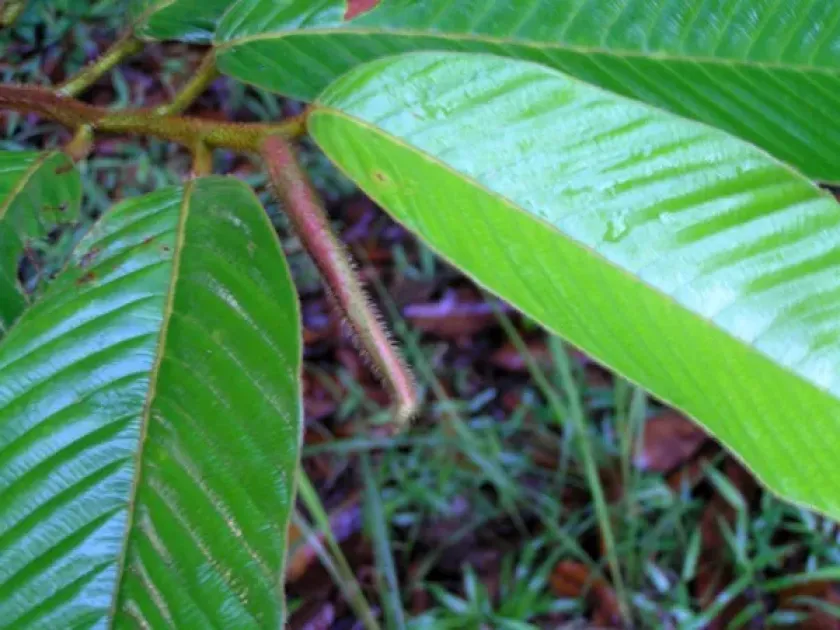
Description
Growing requirements
Dipterocarpus caudiferus is a majestic timber tree belonging to the Dipterocarpaceae family, native to the tropical rainforests of Borneo and the Philippines. It is a dominant species in its primary habitat, often reaching significant heights as part of the forest canopy, which makes it a crucial component of the ecosystem.
The cultivation of this species requires a hot and humid tropical climate without pronounced dry seasons. It thrives best on deep, well-drained, fertile soils that provide sufficient moisture retention while preventing root rot, which is a common risk in areas with excessive annual rainfall.
From an agrotechnical perspective, the establishment of plantations requires careful management of initial shade conditions, as seedlings are susceptible to direct sun exposure during their early growth stages. As the tree matures, it demands full light exposure to maximize its growth rate and timber density.
The primary economic value of Dipterocarpus caudiferus lies in its timber, widely known in the trade as Keruing. This wood is highly valued for its mechanical strength, durability, and versatility, making it a preferred material for heavy-duty construction, high-quality plywood, and industrial flooring applications.
Sustainable management is vital for the survival of the species, as wild populations have faced decline due to land conversion and logging. Effective silvicultural practices involve careful selection of planting sites, maintaining soil health, and ensuring natural regeneration cycles to support long-term productivity.