
Dipterocarpus borneensis
Dipterocarpus borneensis
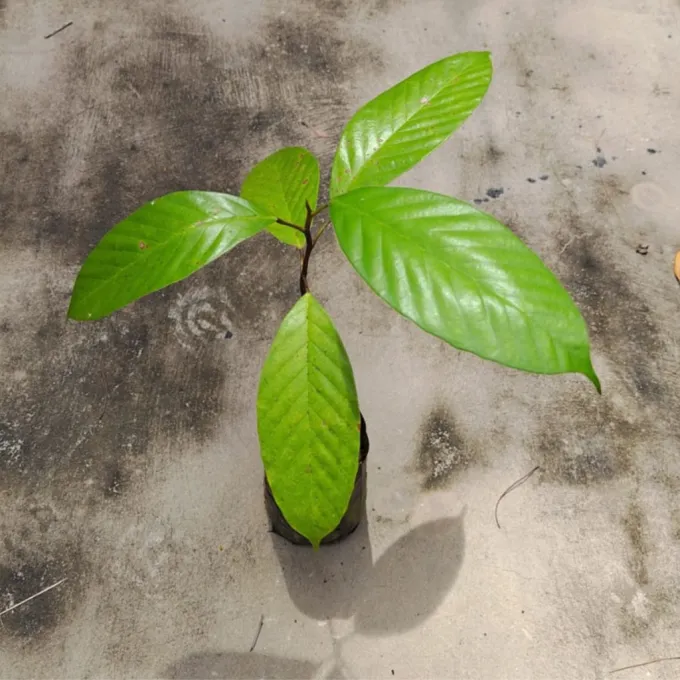
Description
Growing requirements
Dipterocarpus borneensis is a majestic tropical tree species belonging to the family Dipterocarpaceae. It is native to the primary rainforests of Borneo, thriving in hot and humid environments typical of Southeast Asia.
The tree requires a tropical climate with consistent temperatures and high annual rainfall. It does not tolerate prolonged dry seasons or cold spells, making it exclusively suited to equatorial regions.
Regarding soil requirements, it prefers deep, fertile, and well-drained ground. It is highly sensitive to waterlogging, as the root system needs adequate oxygenation to support the growth of the massive trunk.
Light management is essential during the early stages of life. While young seedlings can withstand shade, mature trees require full canopy access to maintain their vigorous growth rate and height.
Agricultural management involves careful site selection and the removal of competing invasive vegetation during the initial years to ensure the saplings establish a strong root structure.
Yield
The primary economic value of Dipterocarpus borneensis lies in its high-quality timber, commonly marketed as "Keruing." This wood is prized for its strength, density, and durability in various industrial applications.
It is extensively used in heavy construction, flooring, railway sleepers, and exterior decking. Its natural resistance to physical wear makes it a top choice for projects requiring robust structural material.
Beyond timber, the species contributes to the structural integrity of rainforest ecosystems by forming the emergent layer of the forest canopy, which provides habitat for diverse wildlife.
Harvesting strategies are moving toward sustainable management to prevent the depletion of this valuable natural resource, balancing market demand with the slow regeneration rate of the tree.
Commercial yields are optimized through selective logging practices that protect younger trees, ensuring that future harvesting cycles remain productive and ecologically viable.
Main diseases and pests
The most significant threat to the species is habitat loss due to large-scale deforestation and conversion of land for agriculture, which significantly reduces the native population density.
Boring insects and wood-attacking beetles represent the primary biological threats, as they compromise the structural quality of the wood and can lead to the premature death of the tree.
Root rot pathogens, often exacerbated by stagnant water or poor soil drainage, remain a constant concern in plantation-style cultivation, requiring constant vigilance from forestry managers.
Climate instability, including irregular rainfall patterns, can stress individual trees, making them more susceptible to infestations and reducing their overall resilience to environmental changes.
- Deforestation and habitat fragmentation
- Stem-boring insect infestations
- Root rot and fungal diseases
- Sensitivity to extreme weather fluctuations