
Taiwania
Taiwania Hayata
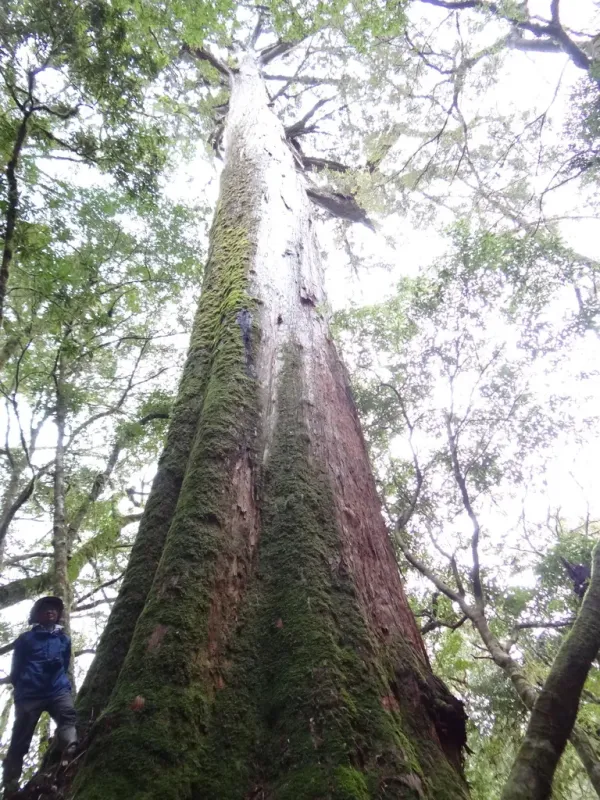
Description
Growing requirements
Taiwania cryptomerioides is a magnificent evergreen conifer belonging to the Cupressaceae family. It is one of the tallest tree species in Asia, characterized by its conical habit and scale-like leaves that resemble the genus Cryptomeria.
The species is native to the high-mountain forests of Taiwan, with smaller populations found in parts of China, Vietnam, and Myanmar. It grows at elevations typically ranging between 1,800 and 2,600 meters where mist and rainfall are abundant.
This culture requires a stable, humid climate and cannot tolerate extreme drought or intense heat. Successful cultivation depends on mimicking its natural highland environment, ensuring consistent moisture throughout the growing season.
The preferred soil type consists of deep, well-draining, slightly acidic forest soil rich in organic matter. Proper drainage is essential, as the roots are sensitive to waterlogging, which often results in root rot and poor development.
For forestry and landscaping purposes, the tree should be planted in sheltered areas protected from strong, drying winds. While it is slow-growing in its early stages, it eventually develops a massive trunk and becomes a significant feature in the landscape.
Main diseases and pests
Taiwania is generally hardy, but young specimens in nurseries are prone to fungal issues such as damping-off if the soil remains excessively moist and ventilation is insufficient.
Pests such as spider mites and aphids can infest the dense foliage, especially in greenhouse conditions. Constant monitoring and maintaining good air circulation are key preventative measures.
In forest plantations, deer or rodents can sometimes damage the bark of younger trees, necessitating physical protection during the first few years of growth.
As the tree ages, it develops natural resistance, but keeping the plantation clean of debris helps minimize the risk of pathogen accumulation and spread.
- Regular inspection of needles for discoloration.
- Implementing balanced irrigation management to avoid soil compaction.
- Consulting with local foresters for specialized pest control programs.