
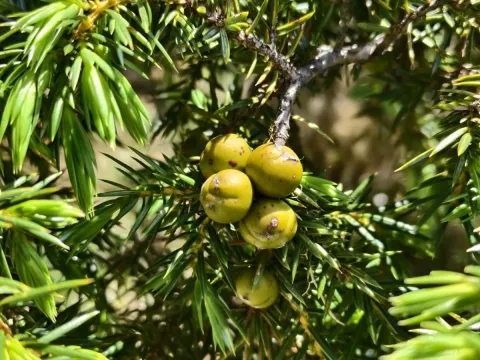
Taiwan juniper
Juniperus formosana
The Taiwan juniper (Juniperus formosana) belongs to the Cupressaceae family. It is a striking evergreen conifer that naturally appears as a shrub or a small tree, often valued for its elegant, pointed growth habit and deep green foliage.
What the section contains
Taiwan juniper
Native to the mountain ranges of Taiwan and China, this species has adapted to diverse elevations. Its botanical features include sharp needles and small berries, which add to its aesthetic appeal in both natural and manicured settings.
For successful growth, this juniper requires well-drained soil with a slightly acidic to neutral pH. It thrives in locations where it receives full sunlight, as deep shade often leads to sparse foliage and increased susceptibility to fungal issues.
The climate requirements involve providing shelter from harsh, drying winds. While it shows good drought tolerance once established, consistent watering during the initial years is vital for root development and overall plant vigor.
Economically and horticulturally, this plant is used extensively in landscape architecture. It is an excellent choice for rock gardens, topiaries, and ornamental borders due to its slow growth rate and manageable size when pruned correctly.
Juniper rust is a significant threat, characterized by the development of galls on branches during humid conditions. Regular pruning of infected parts and avoiding overhead irrigation are the best preventative measures for maintaining plant health.
Phytophthora root rot can occur in poorly drained soils. Ensuring that the planting site has excellent percolation and avoiding excessive water retention are essential steps to protect the structural integrity of the plant.
Spider mites are common pests that thrive in dry, hot environments. If left untreated, they can cause the needles to turn bronze and eventually drop, so monitoring the underside of the needles during mid-summer is recommended.
Scale insects can also infest the stems, creating small bumps that deplete the tree's energy. Horticultural oils or systemic insecticides applied at the crawler stage are effective methods to manage these infestations successfully.
To keep the plant thriving, one must practice good sanitation by removing fallen debris from the base of the shrub. Balanced fertilization and consistent monitoring for pests will ensure the Taiwan juniper remains a centerpiece of the garden.